
- Marketing, Sales
Your Brand Looks Disjointed, Here’s How to Fix It
By:
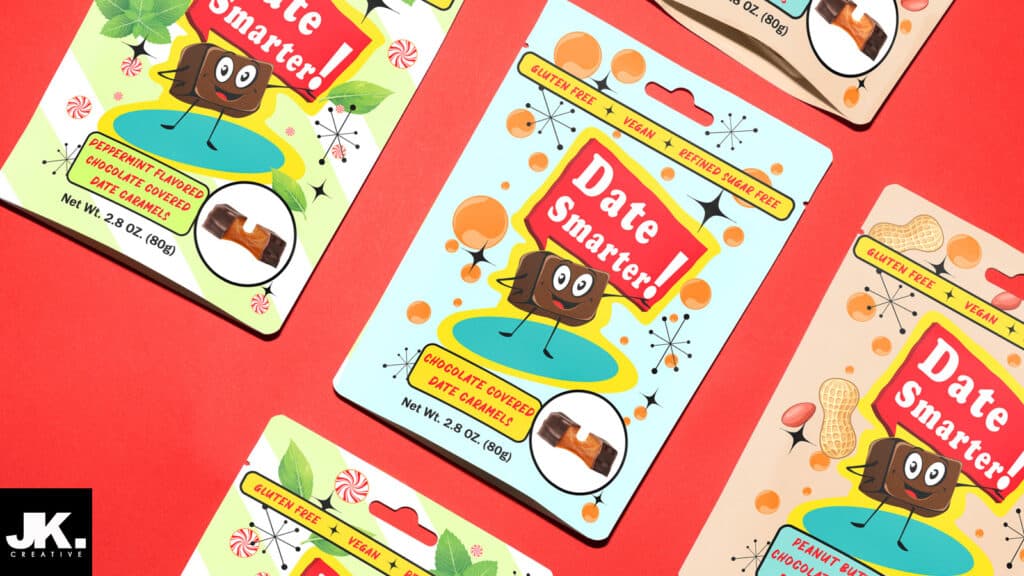
Sponsored by JK Creative NYC. This experienced, boutique creative agency helps CPG brands create market-ready packaging, branding, and visuals that stand out on the shelf and build stronger shopper connections.
Special Offer: Get 30% off a packaging redesign, 20% off a website upgrade, or 10% off new custom packaging design.
A founder recently told me, “Our packaging is finally where we want it to be, but something still feels off.”
When I looked at the brand, the issue was clear. The pouch looked premium. The colors felt intentional. The typography had personality. But the website looked like it belonged to a different company. The social posts used different fonts, different colors, different product angles, and a completely different visual mood. Nothing was technically “wrong,” but the brand didn’t feel whole.
This is one of the most common problems early-stage CPG brands run into. You invest in packaging because you need something that looks credible on shelf. Then the website gets built quickly. Social media gets handled in Canva. Ads are made in a rush. Before long, your brand has three or four different personalities competing with each other.
The result is a disjointed brand experience, and it can quietly hurt trust, perceived quality, and sales.
Your packaging sets the expectation
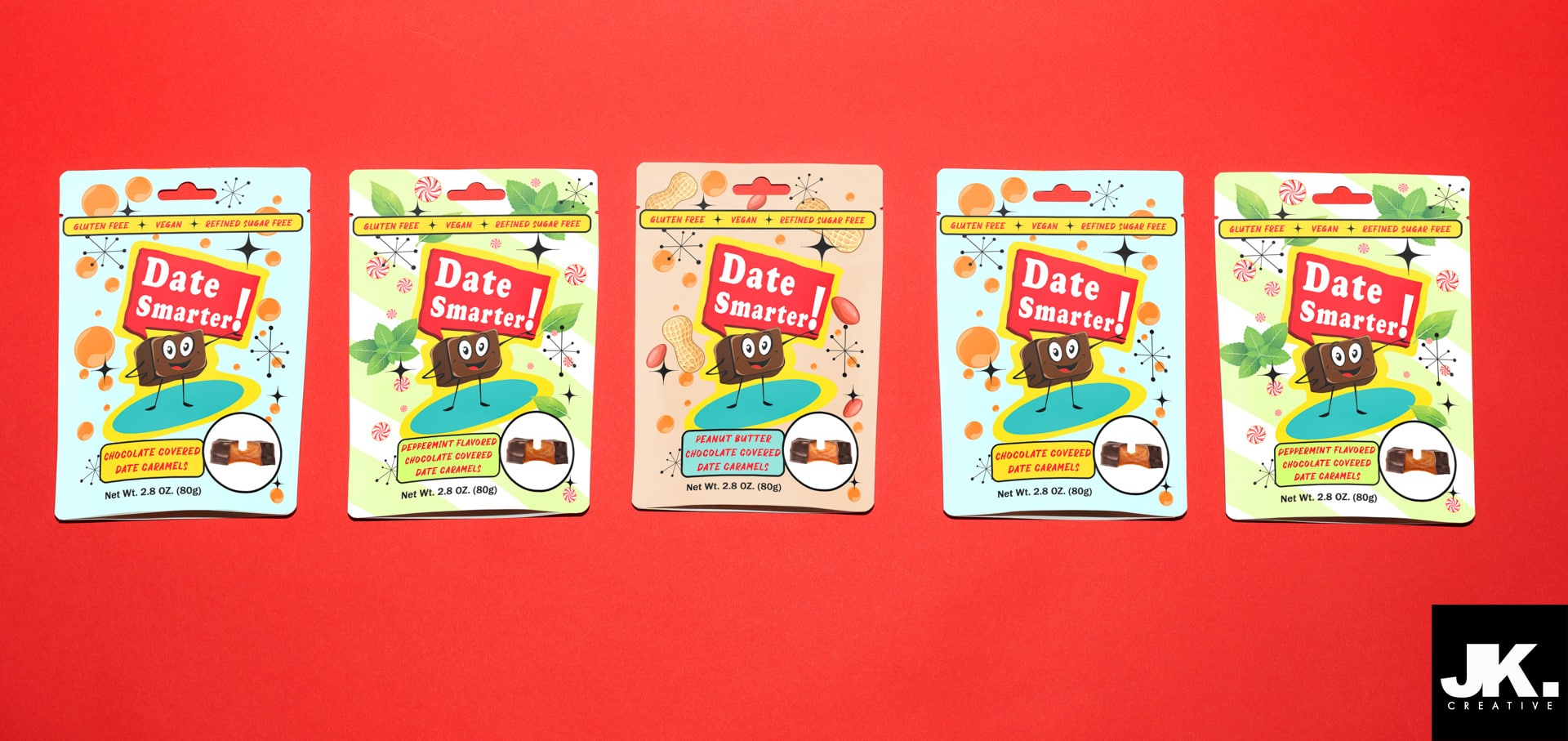
Your packaging is often the first place a customer meets your brand. It tells them what kind of product you are, who you are for, and how much value they should assign to you.
A clean, elevated package tells the customer, “This is premium.”
A playful, colorful package tells them, “This is fun and approachable.”
A minimal package tells them, “This is intentional, modern, and refined.”
But once that expectation is set, every other touchpoint has to support it.
If a customer sees beautiful packaging in a store, then visits your website and finds a generic template, blurry product images, inconsistent colors, and amateur graphics, it creates friction. They may not consciously say, “This brand is inconsistent,” but they feel it.
That feeling matters.
In CPG, customers make fast decisions. They are judging quality before they ever taste the product. Your visuals are part of the product experience.
Why a disjointed brand hurts sales
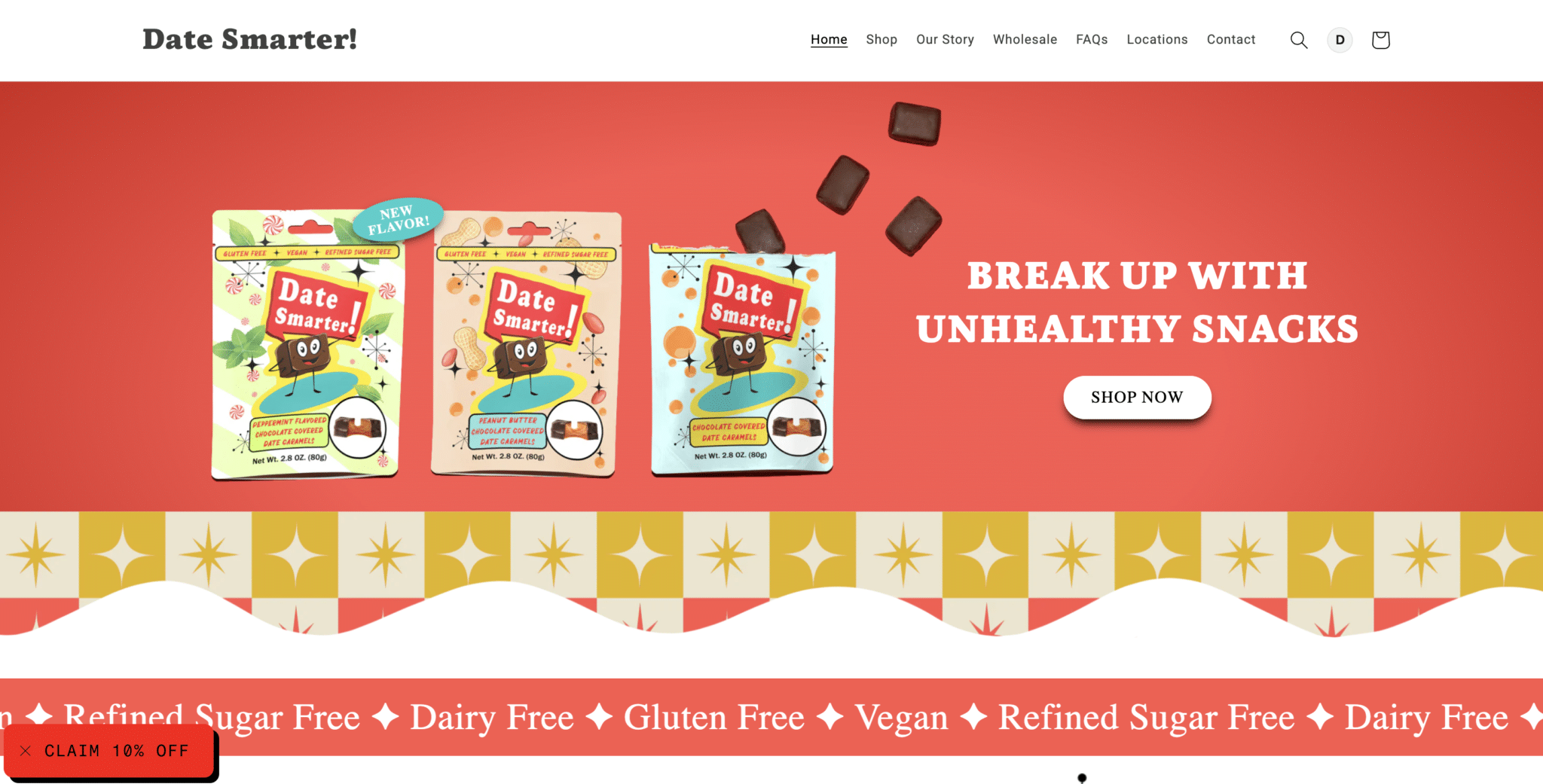
Brand consistency is not just about looking good. It directly affects how customers interpret your business.
When your packaging, website, email, social media, ads, and sales materials all look connected, customers feel like they are dealing with a real brand. That builds confidence.
When those pieces feel disconnected, customers may wonder:
“Is this brand established?”
“Is the product actually premium?”
“Can I trust this company?”
“Will the experience match the price?”
For wholesale buyers, the stakes are even higher. A retailer wants to know that your brand can hold its own on shelf and attract repeat customers. If your packaging looks strong but your online presence looks underdeveloped, it can weaken your pitch.
For customers, the disconnect can reduce conversion. A great package may get them interested, but a weak website or inconsistent ad creative can make them hesitate before purchasing.
The most common places brands become inconsistent
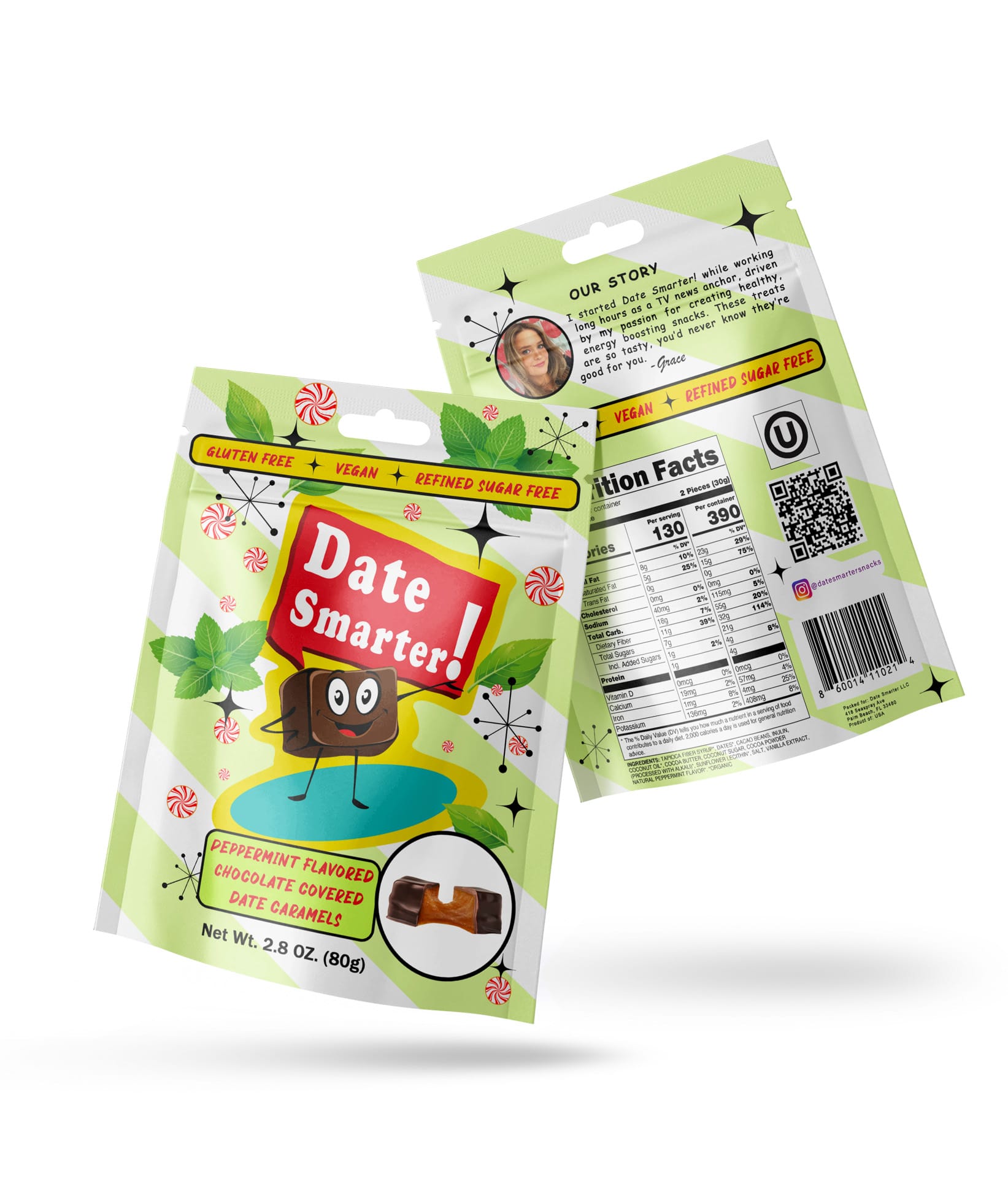
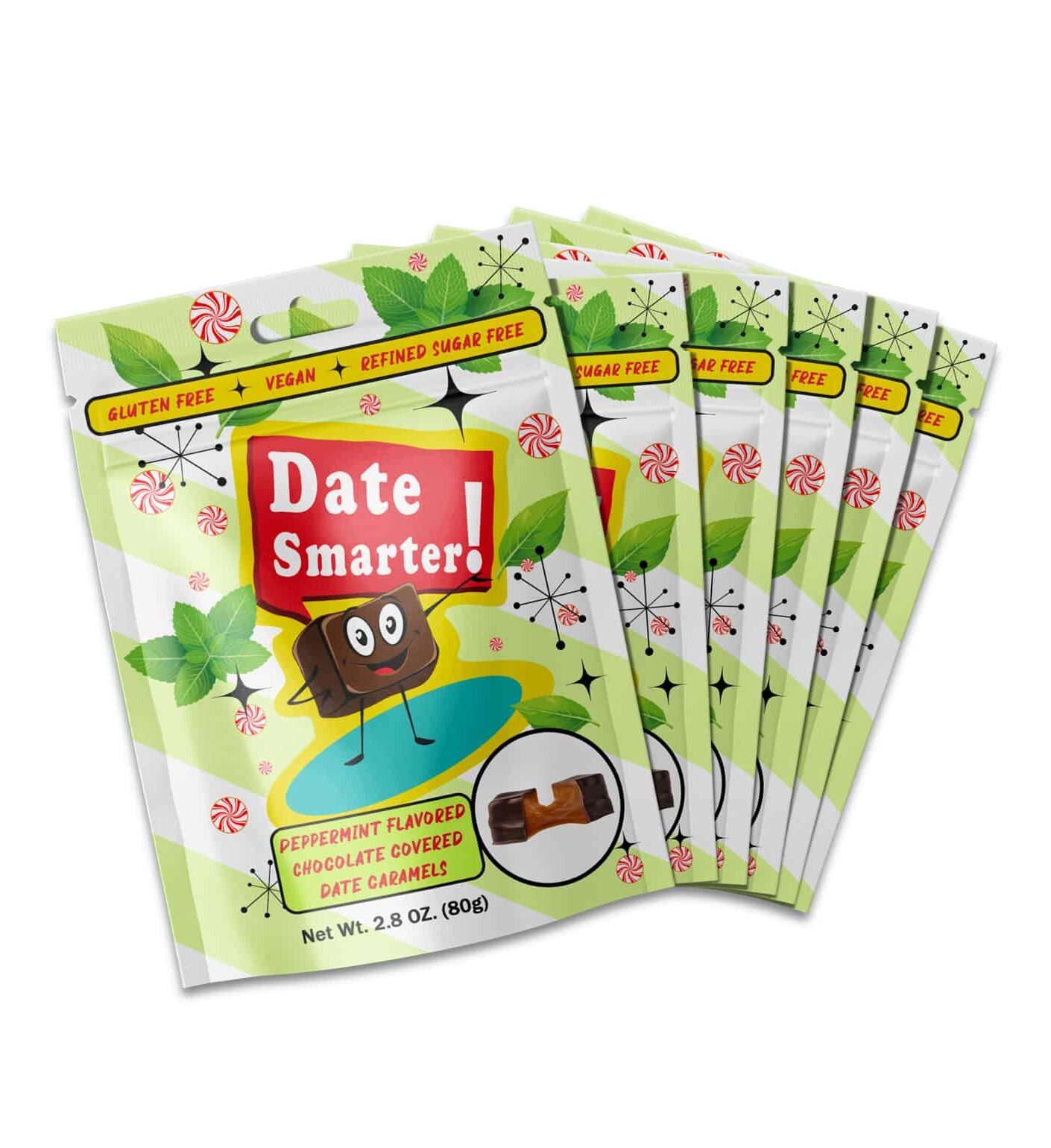
Most disjointed brand experiences come from building each visual asset separately.
You hire one person for packaging.
You use a template for Shopify.
You make social posts internally.
You ask a freelancer to create ads.
You use product photos from three different shoots.
Each piece may be decent on its own, but without one connected creative direction, the brand starts to fragment.
Common signs include:
Different fonts across packaging and website
Product images that don’t match the packaging style
Social graphics that feel cheaper than the product
Website colors that are close, but not quite right
Ads that look more like generic ecommerce creative than your brand
No clear hierarchy between product, benefit, and brand story
This is especially common for early-stage founders because you are moving quickly and wearing too many hats. You are trying to launch, sell, fundraise, handle operations, talk to retailers, manage inventory, and post content all at once. Visual consistency often becomes reactive instead of strategic.
How to fix a disjointed brand
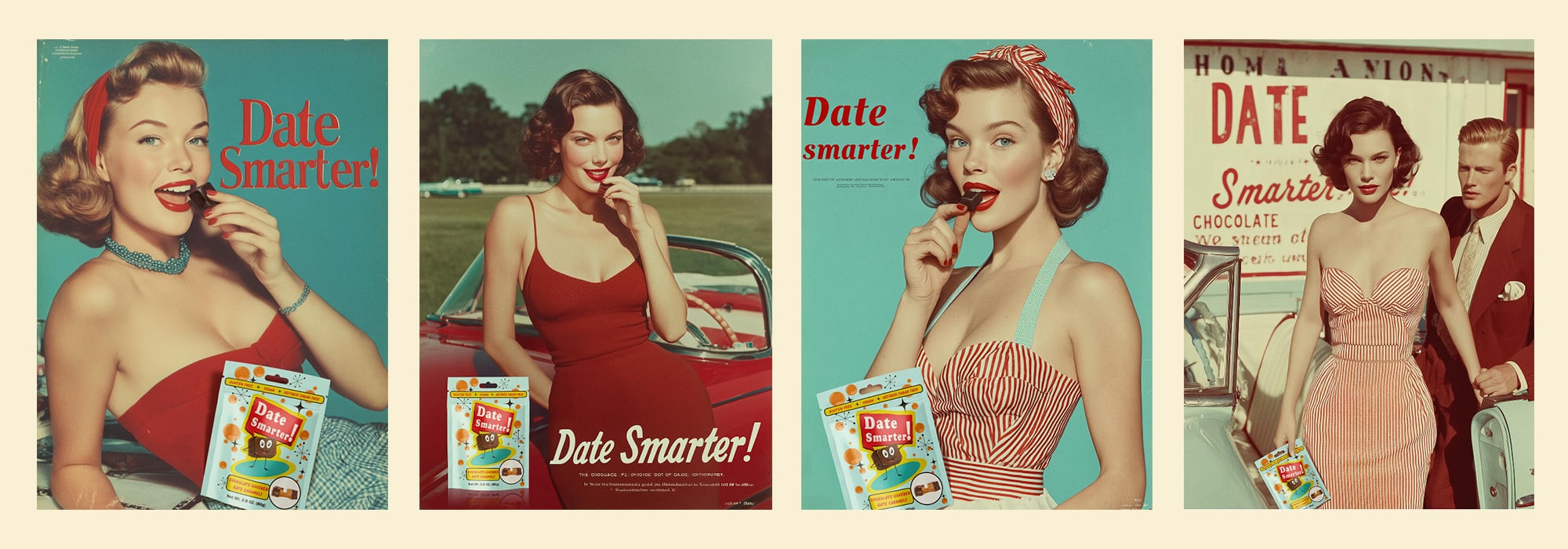
The first step is to stop thinking of packaging, website, and marketing as separate projects.
They should be treated as one connected visual system.
Start by looking at your packaging and asking:
What is the mood of this brand?
What emotions should customers feel?
What colors, textures, and imagery support that feeling?
What kind of photography or product rendering makes sense?
How should this translate to the website, social, ads, and retailer materials?
Your packaging should not be copied everywhere exactly, but the same visual language should carry through.
For example, if your packaging is bright, playful, and full of illustrated ingredients, your website should probably not feel sterile and corporate. If your packaging is premium and minimal, your social posts should not be overloaded with random fonts and busy graphics.
The goal is not sameness. The goal is cohesion.
Build a simple visual system

You do not need a 100-page brand book to create consistency. But you do need a clear set of rules.
At a minimum, define:
Primary and secondary colors
Typography for headlines, body copy, and callouts
Product image style
Background colors and textures
Ingredient or lifestyle imagery direction
Social post templates
Ad creative style
Website section styles
Retailer sell sheet style
This gives everyone working on your brand the same creative foundation.
It also saves time. Instead of reinventing every asset, you are building from a system.
One creative partner can reduce the chaos
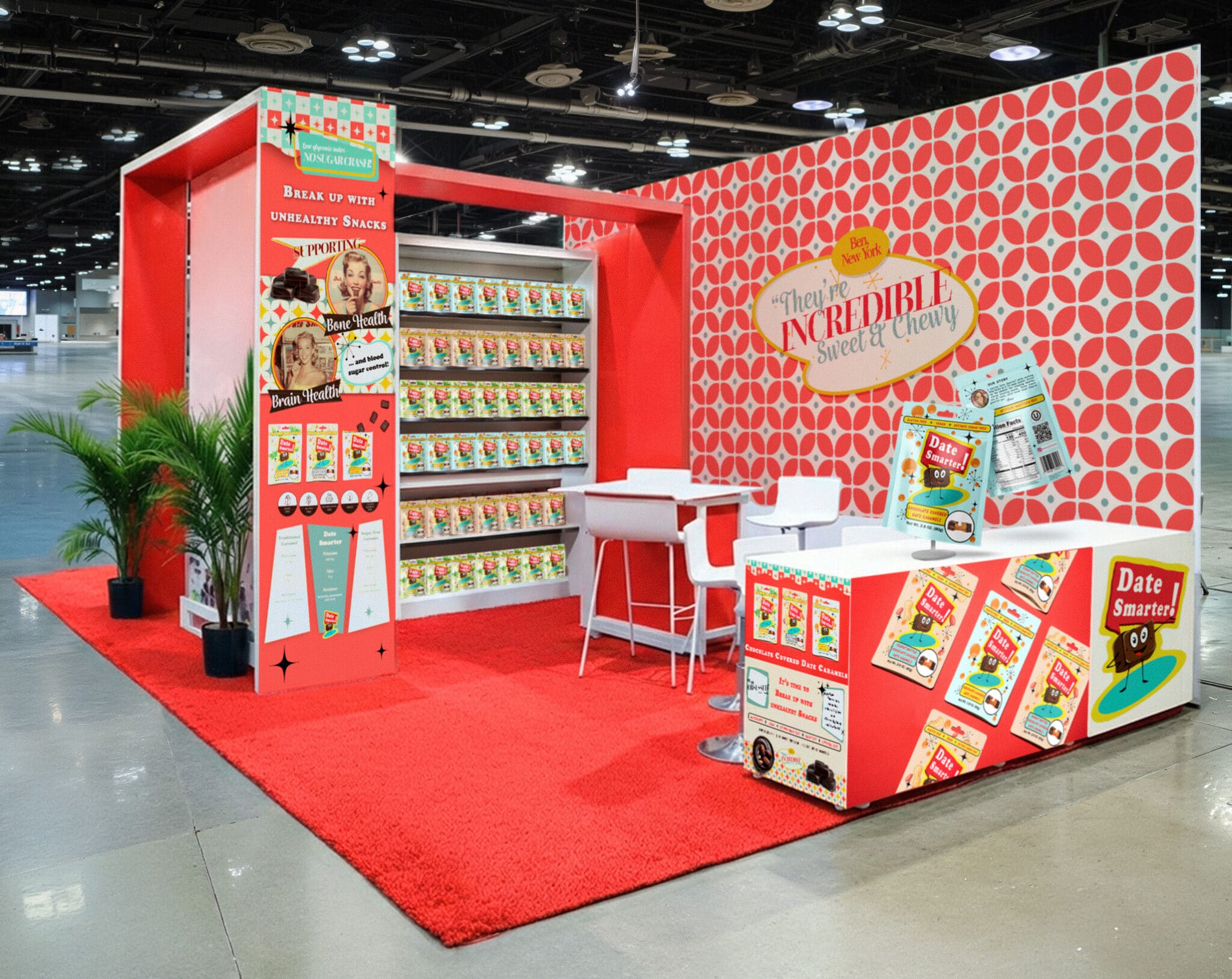
One reason brands become disjointed is that every piece is handled by a different person. Packaging, Shopify, social, and advertising visuals all require different technical skills, but they should still be guided by one creative vision.
This is where working with a creative partner who understands the full brand ecosystem can make a major difference.
A studio like JK Creative NYC can help founders think beyond just one deliverable. Instead of designing packaging in isolation, the goal is to create a brand world that can extend from package concept to print-ready files, then into Shopify, social content, advertising visuals, and marketing materials.
For a busy CPG founder, that matters. You do not need another disconnected vendor to manage. You need fewer moving pieces and a stronger visual outcome.
A cohesive brand makes your product easier to believe in
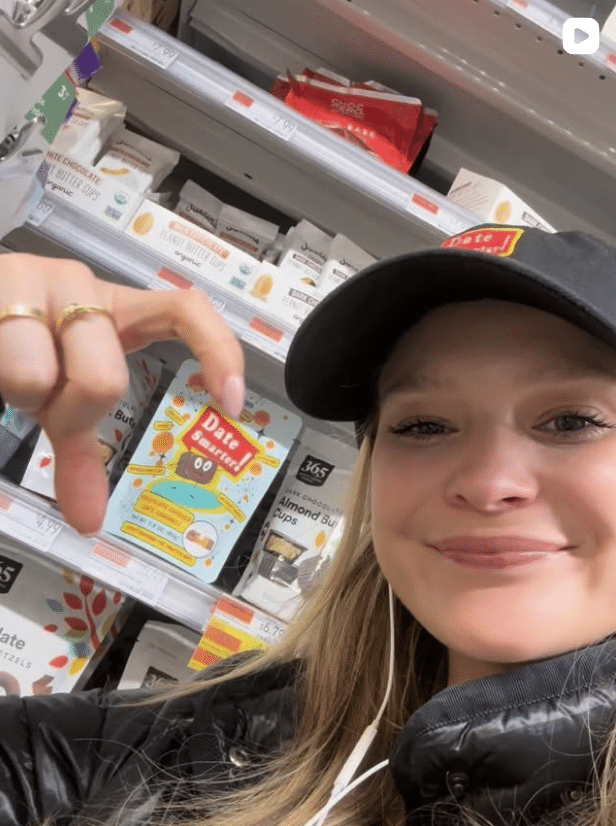
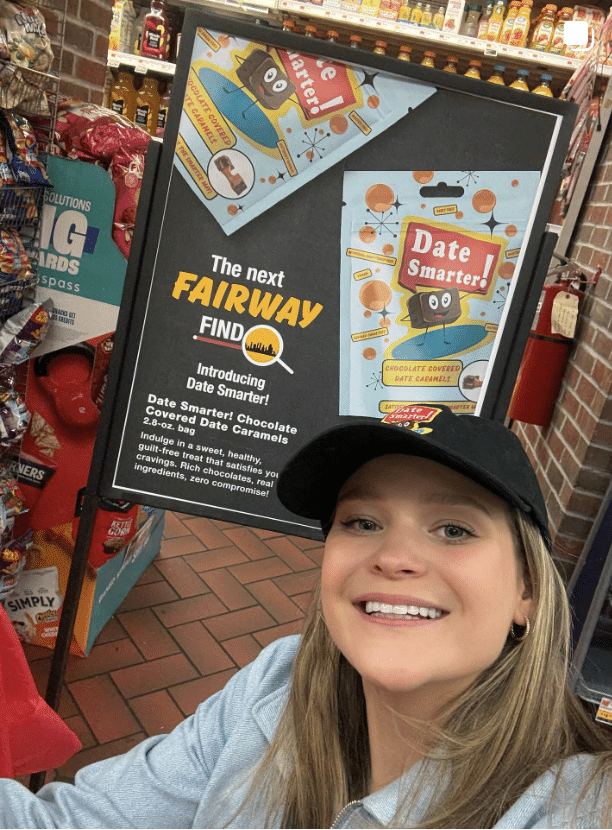
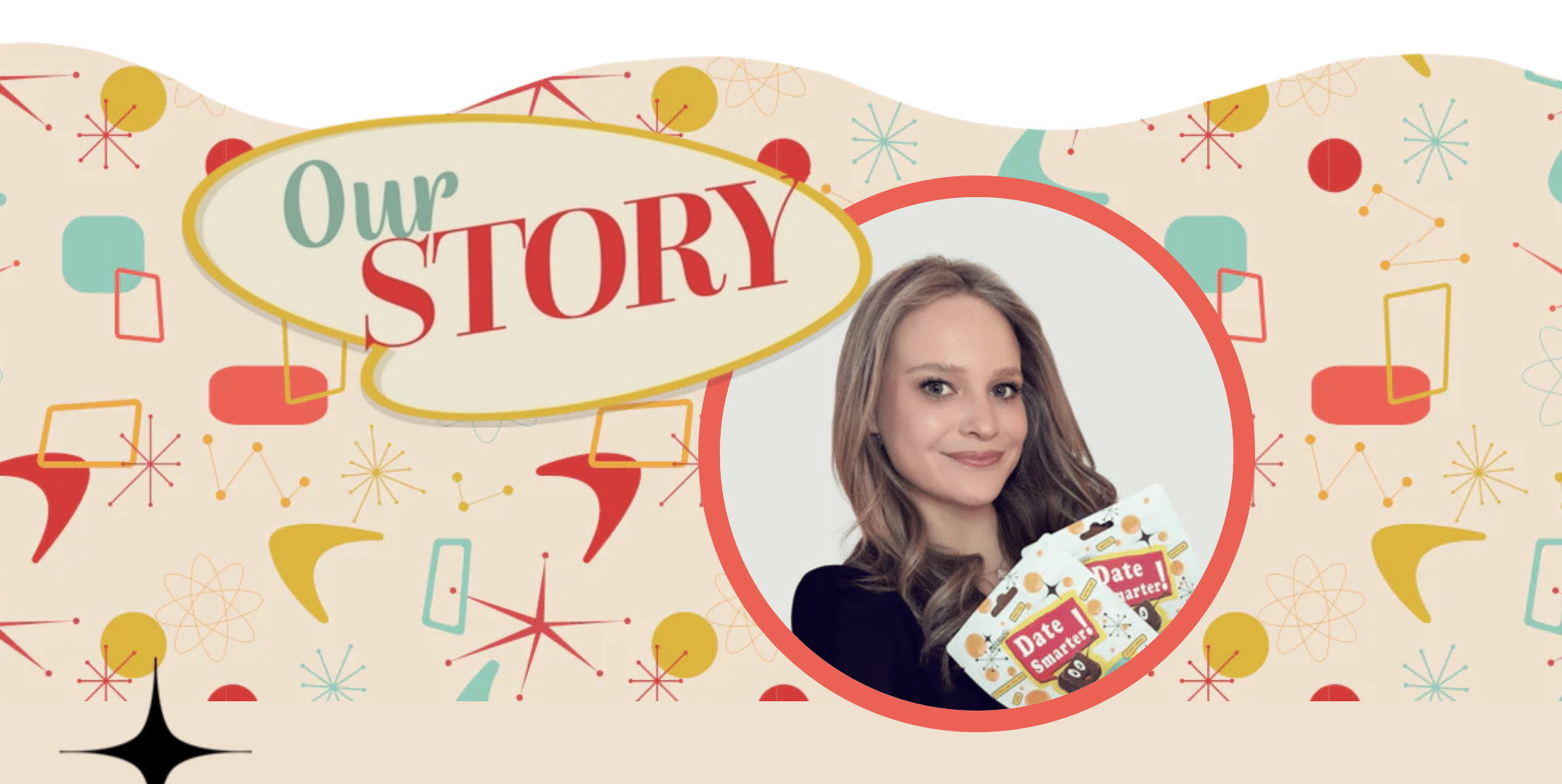
Customers do not separate your brand into departments. They do not think, “The packaging designer did a great job, but the website designer missed the mark.”
They experience it all as one brand.
When everything feels cohesive, your product feels more trustworthy. Your price feels more justified. Your company feels more established. Your story becomes easier to understand.
That does not mean every asset has to be perfect. But it does mean every visual touchpoint should feel like it came from the same brand.
For early-stage CPG founders, fixing a disjointed brand can be one of the highest-leverage moves you make. Because once your visuals work together, every sales conversation, ad, email, retailer pitch, and customer interaction becomes stronger.
Your brand does not just need to look good in one place. It needs to feel consistent everywhere.
JK Creative NYC helps CPG brands create that consistency across packaging, Shopify websites, and marketing visuals. Their team can support everything from packaging concept and print-ready files to ecommerce design and AI-supported social, advertising, and promotional imagery.
If you want an introduction to JK Creative NYC, click the button below.
Education Articles