
- Marketing
Your Packaging Isn’t Selling: Here’s How to Fix It Before Your Next Retail Pitch
By:
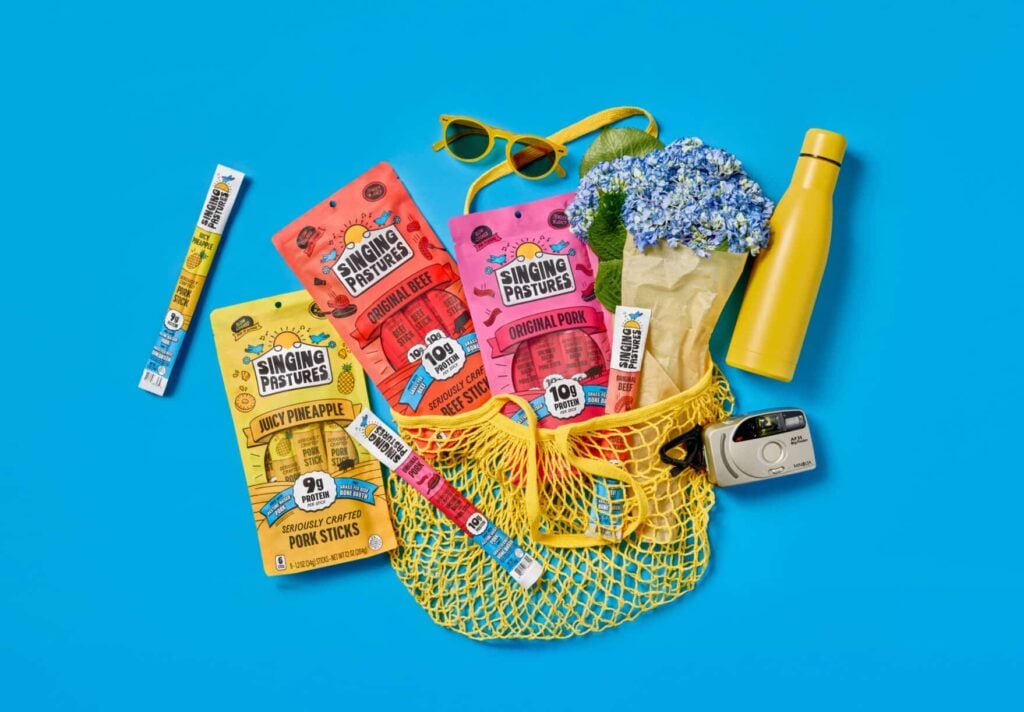
Sponsored by Pulp+Wire: Pulp+Wire is a full-service creative agency and growth partner for CPG brands, helping companies build the strategy, identity, packaging, and shelf presence needed to stand out and drive sales. With more than 20 years of experience, the team combines consumer insights and market analysis with strategic and creative execution across brand planning, identity systems, packaging design, production and compliance, website design, content creation, and brand extensions spanning shopper marketing, trade shows, and other key consumer touchpoints.
Your Packaging Is Your First Retail Pitch
You’ve spent months perfecting the product. Customers who try it love it. Your pitch deck is ready, your pricing is set, and now you finally have a buyer meeting.
But before the buyer tastes the product or hears your founder story, they are already judging one thing: your packaging.
Retail buyers are asking, “Will this sell on our shelf?” If your packaging does not make the product easy to understand, easy to shop, and easy to believe in, the buyer sees risk.
That is why packaging is more than a label, pouch, carton, or bottle. It is a sales tool. It has to explain what the product is, why it matters, who it is for, and why a shopper should pick it up instead of the brand next to it. It needs to jump off the shelf and into their cart!
The Packaging Problems That Hurt Retail Readiness
Most packaging issues come down to clarity. Founders know every detail about their product, so it is tempting to put everything on the front of the pack. The result is often crowded messaging that makes it harder for shoppers to understand what they are buying.
Common problems include unclear product positioning, too many claims, weak visual hierarchy, packaging that looks too similar to competitors’, and brand storytelling that overwhelms the product message.
The front of your package should not feel like a brochure. It should help shoppers quickly answer three questions:
What is it?
Who is it for?
Why should I care?
If a shopper cannot answer those questions in a few seconds, your packaging may be creating friction.
Design for the Shelf, Not Just the Screen.
A package can look great in a mockup and still fail in retail. On shelf, your product is surrounded by competitors, viewed from a distance, and often seen for only a few seconds.
Before your next pitch, print your packaging at actual size and place it next to competitors. Step back and ask:
Can I read the most important information?
Does the product stand out?
Is the flavor or variety clear?
Does the design support the price point?
Would a shopper understand this without explanation?
Is my brand recognizable, memorable and sticky?
Your packaging needs to fit into the category while still giving shoppers a reason to notice you. That balance is critical.
Lead With the Right Claims
Not every claim deserves the same amount of space. Your job is to prioritize the claims that actually drive purchase.
That might be high protein, low sugar, organic, plant-based, gut health, clean caffeine, allergen-friendly, sustainable packaging, or a specific functional benefit. The right claims depend on your product, category, price point, and customer.
A common mistake is leading with the message the founder cares about most instead of the message the shopper needs first. Your sourcing story, mission, and founder journey matter, but they may belong on the back panel, website, or QR code instead of competing for space on the front.
Pressure-Test Before the Buyer Meeting
Do not wait for a buyer to tell you your packaging is confusing. Test it first.
Show your packaging to people who do not already know your brand. Give them a few seconds to look at it, then ask what they think the product is, who it is for, and why they might buy it.
You should also compare your packaging directly against competitors. Look at claims, colors, pack size, price point, flavor naming, and shelf presence. Buyers think in shelf sets, not isolated product images.
This is where partners like Pulp+Wire can help founders connect the dots between consumer persona development, market analysis, brand strategy, packaging design, production, compliance, and brand extension. Packaging should not just look good. It should support how the product sells at shelf and online.
Make It Easy for the Buyer to Say Yes
Retail buyers are looking for products that can sell. Your job is to reduce the perceived risk of saying yes.
Strong packaging helps you do that. It shows that you understand your shopper, your category, and your point of difference. It makes your product easier to place, easier to explain, and easier to believe in. Most importantly, it gives the buyer confidence that shoppers will understand the product quickly once it hits the shelf.
The best packaging does not just hold the product. It creates an emotional connection and sells the product
Before your next retail pitch, do not only refine your deck, pricing, and samples. Put your packaging and brand through the same level of scrutiny. Ask whether it is clear, compelling, differentiated, and ready for the shelf. For founders rethinking their packaging, Pulp+Wire supports brands across strategy development, brand planning, logo identity design, packaging creative, production with compliance, and website design, helping connect the full brand experience from shelf to online.
Because when the buyer looks at your product, your packaging is already speaking. Make sure it is saying the right thing.
Want an introduction to Pulp+Wire? Click the button below, and we’ll help connect you.
Education Articles