
- Business, Buyer Talks, Distribution, Marketing
Building Effective Relationships With Retail Buyers
By:

Sponsored by: Harvest Hub CPG gives founders the edge in submitting correctly, to the right person, at the right time, with the right documents, to over 75,000 accounts nationwide. Access category review calendars for 150 key accounts, distribution information, buyer details, promotional requirements, and grow your business with the information major national sales companies use.
For CPG founders, getting in front of a retail buyer is an exciting step. But a buyer meeting is not simply a chance to pitch a product. It is an opportunity to demonstrate that your brand understands the category, the shopper, and the realities of retail.
Strong buyer relationships are built on preparation, relevance, and consistent follow-through. Buyers are not only looking for innovative products. They are looking for brands that can create value for the retailer, contribute to category growth, and execute reliably after approval.
Start With the Buyer’s Priorities
Retail buyers manage limited shelf space, category goals, margins, promotional calendars, and changing shopper expectations. Before reaching out, founders should think beyond why their product is exciting and focus on why it makes sense for that specific retailer.
Ask yourself:
- Does the product solve a clear shopper need?
- Does it bring something new or differentiated to the category?
- Is the price point appropriate for the retailer’s customer?
- Can the brand support the account operationally?
- Will the product generate incremental value for the retailer?
When your pitch connects directly to the buyer’s priorities, the conversation becomes more relevant and productive.
Do the Research Before You Reach Out
Not every retailer is the right fit at the same stage of growth. A regional chain, natural grocer, specialty retailer, or independent store group may be a better next step than a large national account.
Before contacting a buyer, research the retailer’s assortment, shopper profile, category focus, submission process, and category review timing. A founder who understands the retailer’s business and procedures will stand out from brands sending generic pitches.
Outreach should be personalized, concise, and clear. Explain why the product fits the retailer, where it belongs in the store, what gap it fills, and which traction or proof points support the opportunity.
Bring a Retail-Ready Story
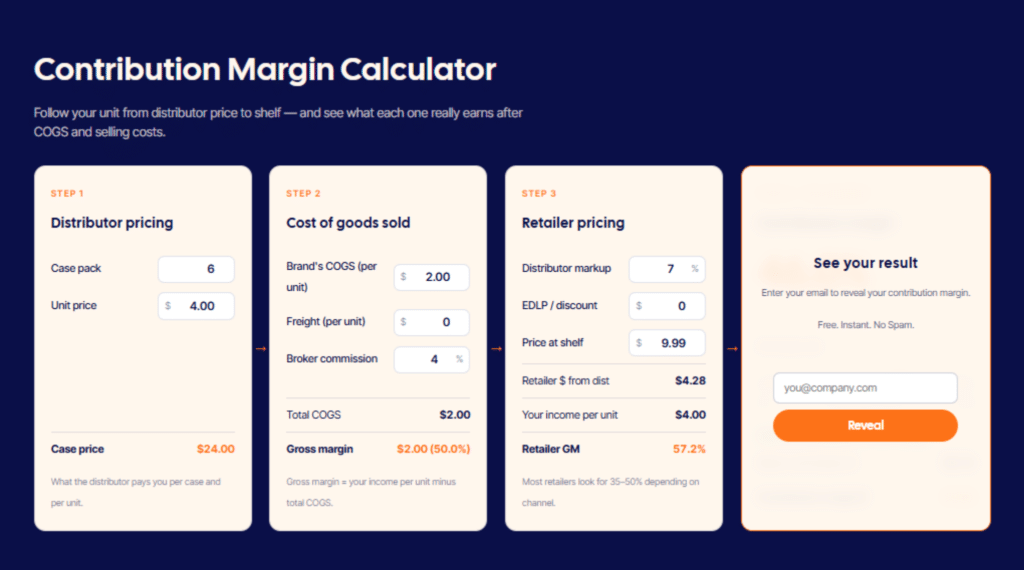
Passion is important, but buyers also need a clear business case. Founders should be ready to explain the product’s positioning, target shopper, pricing, margin structure, current traction, promotional strategy, and potential contribution to the category.
Early-stage brands do not need perfect data. Useful proof points may include:
- Performance in local stores
- Direct-to-consumer repeat purchase rates
- Sampling results and customer feedback
- Farmers market or event sales
- Social engagement
- Strong velocity in a small number of accounts
- Customer requests from the retailer’s market
The goal is to make it easy for the buyer to understand why the product deserves consideration, how it differs from existing options, and how it can perform on the shelf.
Show How the Product Will Add Incremental Sales
One of the most important concepts for founders to understand is incrementality.
A buyer is unlikely to invest time and resources in replacing one product that sells five units per store per week with another product expected to sell the same five units. From the retailer’s perspective, that may create additional work without producing meaningful growth.
Instead, buyers want to understand how a new product will add sales rather than simply shift sales from an existing item. A brand may create incremental value by:
- Attracting a new type of shopper
- Encouraging additional trips to the store
- Increasing purchase frequency
- Building the shopper’s basket through complementary purchases
- Bringing new usage occasions into the category
- Supporting promotions, sampling, advertising, or local marketing
- Filling a gap in the current assortment
For example, a sauce that encourages shoppers to purchase meat, vegetables, and other meal ingredients may be more valuable than its unit sales alone suggest. Similarly, a product supported by a strong promotional plan may help bring additional attention and traffic to the category.
Be Prepared to Execute
A buyer relationship can weaken quickly if a brand wins an opportunity but cannot support it. Founders should be prepared to answer questions about case packs, shelf life, lead times, insurance, certifications, distribution, pricing, inventory capacity, and promotional support.
Before pursuing a new account, make sure the fundamentals are ready. These may include:
- Sell sheets
- Samples
- Pricing sheets
- Product specifications
- Certificates and insurance documents
- Distribution information
- Promotional plans
- Required retailer paperwork
Retail readiness is not only about getting accepted. It is about being able to deliver consistently once the product is approved.
Follow Up Thoughtfully
Buyers are busy, and silence does not always mean disinterest. Follow up professionally without overwhelming them.
Rather than repeatedly asking for a response, share meaningful updates such as:
- A new retail placement
- Improved sales velocity
- Expanded distributor availability
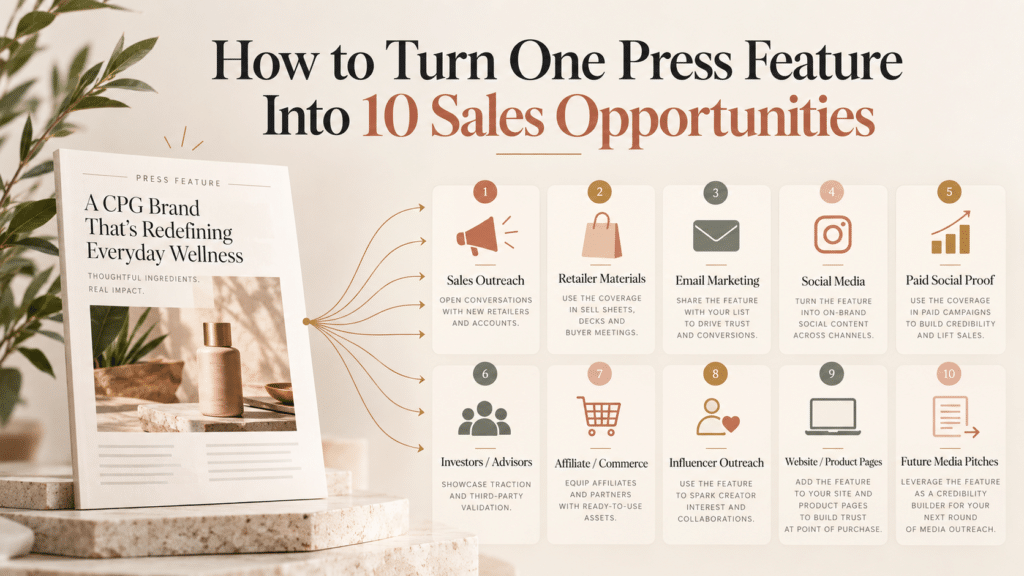
- Press coverage
- Successful promotions
- Increased demand in the retailer’s market
- New data supporting the product’s incremental value
Effective follow-up keeps the relationship active while respecting the buyer’s time.
Build Beyond the First Order
Getting on the shelf is only the beginning. Founders should continue supporting the account through promotions, marketing updates, inventory communication, and performance insights.
Monitor sales, identify opportunities to improve velocity, and communicate proactively when challenges arise. When possible, share information about shopper response, complementary purchases, promotional results, and other indicators of incremental growth.
Buyers want to work with brands that remain engaged after the initial approval. The strongest relationships are built when founders treat retail as an ongoing partnership rather than a one-time placement.
Final Thoughts
Retail buyers are evaluating more than the product itself. They are evaluating whether the brand is prepared, reliable, relevant to their shoppers, and capable of adding meaningful value to the category.
For CPG founders, building effective buyer relationships means doing the research, communicating clearly, understanding incrementality, and demonstrating that the brand can support the opportunity before and after the first order.
Resources such as Harvest Hub CPG can help emerging brands approach retail more strategically by providing retailer research, buyer contacts, category review information, submission guidance, paperwork support, and insights from experienced CPG professionals. For founders preparing to expand into retail, having that structure can make the process more focused and manageable.
About Harvest Hub CPG
Harvest Hub CPG supports emerging CPG brands with tools and resources for navigating retail growth, including retailer research, buyer contacts, submission processes, category review information, paperwork support, and access to experienced industry guidance.
To learn more, click the button below to request an introduction.
Education Articles