
- Business
8 Trends Worth Paying Attention to in CPG Right Now
By:
I caught up with my good friend Gage Mitchell to discuss all the trends he experienced while walking the show.
Now, I will say that I don’t believe that “trends” forecast what you should be doing, more that they are a snapshot of what’s happening right now. It’s a reflection of what people are creating and how they’re building their business.
Trends are also useful in tracking how the industry is changing over time. Remember when every product had CBD in it a few years ago?
Alright, so here’s a look at what Gage and I talked about as the most interesting things people are creating in the industry.

Protein isn’t going a’Whey
Yes, we all know Protein is still the current big thing, but what’s interesting is that Whey (and animal-based protein) are growing strong and are showing up in entirely new formats. Not just shakes or bars, but even clear “protein water” and pasta sauce.
Whey is interesting because it has moved from a byproduct of milk production into an abundant functional ingredient that stands on its own. It adds nutrition without changing how the product fits into someone’s routine – unless you’re vegan, of course.
This is also a departure from the heavy growth of plant-based protein from the past few years. Yeah, pea protein, we’re looking at you.
Example Brands:
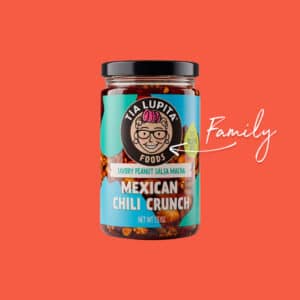
Recipes Rooted in Family
Most of our first memories of food come from our family, whether that’s our mom, grandmas, fathers, or aunts.
It’s usually not just the food itself that sticks with us. It’s the moment around it. The smell in the kitchen. A dish that always showed up at gatherings. A recipe that felt ordinary growing up and then later became the thing you missed most.
Family recipes are a counter-culture to the heavily functionalized CPG industry. These brands are leading with Flavor over Function and are bringing you home to their family kitchen with every bite.
And that resonates because so much of CPG over the last few years has been built around optimization. More protein. Less sugar. More functional ingredients. Better macros. All of that has a place, but eventually it starts to flatten the emotional side of food.
These family-centric brands remind people that food is memory. Food is identity. Food is often the first and most lasting way we experience culture and care.
That makes these products feel more personal, and I think that’s why they stand out so much right now. They’re not just selling a product. They’re sharing something that already mattered long before it ever landed on a store shelf.
Example Brands:

Sweetened by Nature
It seems like we’re at the tail end of the sugar alcohol movement, and the pendulum is swinging back towards real sugar, but with a twist.
Fruit, honey, dates, and coconut sugar are showing up more often across products. There’s still a large group of natural product consumers who are limiting cane sugar, and these products are betting their sugar sources will provide a sweet flavor without the guilt.
What makes this interesting is that it feels like the market is searching for a middle ground.
For a while, the industry pushed hard toward “sugar free” or highly alternative sweetener systems. That opened up a lot of innovation, but it also created products that sometimes felt too engineered, especially for consumers who want to understand what they’re eating without needing a chemistry degree.
That’s where this new wave fits in.
These brands are still addressing consumer concerns around sugar, but they’re doing it with ingredients that feel more familiar and easier to trust. It’s not about going back to the old way. It’s more about finding a version of sweetness that feels aligned with how people want to eat now.
And that’s important because sweetness is emotional. People want something that tastes good first. If the sweetness source also feels better or more natural, that becomes a bonus.
Example Brands:
New Americana
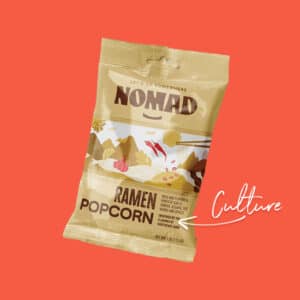
These foods celebrate the cultural richness woven into the nation’s identity, where tastes once seen as “international” or “ethnic” now feel quintessentially American. This trend bridges cultural pride with mainstream appeal, offering both nostalgic connection for some and exciting discovery for others.
Tacos and Chinese Orange Chicken are just as American than apple pie. It shows up in everyday meals across the country. The same thing is happening across more categories.
Second and third generation Americans are bringing their flavors into the grocery store. Not in a separate aisle, but across every aisle.
And that is really the heart of what makes this shift so important.
And as more of these brands grow, I think buyers will continue to expand their understanding of what belongs in the center of the store, in frozen, in snacks, in beverages, and really across every part of retail.
Example Brands:
- Soom Foods Tahini
- First Gen Agua Fescas
- Loaban Dumplings
- Hot Pot Queen Noodles and Chili Sauce
- Mezete Hummus
- Nomad Chimichurri, Ramen, and Pad Thai Popcorn
- Tepache Sazon
- Loopini Pizza
- Mia Luna Salsa
- Mamame Tempeh Chips
- Arriba Mexican BBQ Sauce
- Ama Ona Fire Cider Drinks & Sauces
- Casa Arte Sano Nopalli Cactus Tortilla Chips
- Lulu Dumplings
- Crunchy Giant Inka Corn

Under the Sea
Seaweed, algae, tin fish and everything under the sea are having a moment. They’re showing up in snacks, seasonings, supplements, colors, and even beverages.
Now, this is interesting because things like seaweed are nutrient-dense, containing minerals, fiber, and compounds that support overall health. But at the same time, consumers have a limited understanding of what seaweed can do as an ingredient.
What’s helping it right now is a combination of things. More exposure through Asian foods becoming mainstream. More interest in health and sustainability. And brands doing a better job of making it approachable in familiar formats.
Are the macro-nutrient profiles enough to attract consumers? That’s still to be seen. But it’s one of the few areas that still feels early.
Example Brands:
- OoMee Marine Plant Beverage
- KuliKuli Sea Moss & Blue Spirulina Superfood Gummies
- KOR Blue Spirulina Hydration Drink
- Salted Egg Salmon Skin
- Mowi Farm-Raised Atlantic Salmon
- Oshi Plant-Based Fish Filet
- Ocean’s Halo Organic Seaweek Snacks
- Gimme Seaweek Topping
- Wild Planet’s Wild Caught Canned Tuna
- SurfSnax Salmon Snack Sticks
- Ocean’s Balance Seaweed Ingredients
- True Sea Moss Sea Moss Gel Superfood
- Celtic Sea Salt

For Women, by Women
More women are designing products specifically for their bodies and minds.
This shows up across hydration, hormonal health, mental wellness, and everyday care products.
What stands out here is how specific these products are becoming. They aren’t trying to be for everyone. They are built for a very clear use case, at a very specific stage of life, with a deep understanding of the problem.
That level of clarity shows up in the product itself, but also in how it’s positioned and marketed.
And as more women build in CPG, this category will continue to expand in ways that feel much more intentional than what we’ve seen in the past.
Example Brands:

Fat is the Hero
Seed Oils have definitely gotten a bad rap over the past few years. While the science is still catching up, consumers are moving to Avocado oil as the go-to plant-based option and Beef Tallow as an interesting animal fat source.
This actually highlights a growing divide that’s happening. The carnivores of the world want their meat back and are in some ways rejecting the plantification of the CPG industry.
Fat is also becoming a signal. It tells you how the product was made and what the brand believes in. For some, that means cleaner labels and simpler ingredients. For others, it’s about returning to traditional ways of cooking and eating.
Either way, fat is no longer something brands are hiding from. It’s something they’re leaning into as fat source makes its way to the front of the packaging.
Example Brands:
- Steak ‘n Shake Beef Tallow
- The Wonderful World of Beef Tallow Beauty & Food Products
- Norse Roots Beef Tallow Chips
- Sego Lily Beef Tallow Skincare
- Xaca Avocado Oil Tortilla Chips
- Moo Elixer Beef Tallow Skincare
- Jackson’s Avocado Oil Snacks
- Folkland Farm Fries Made with Olive Oil
- Fatworks Animal-Based Cooking Oils & Skincare
- Pop Daddy Popcord Made with Avocado Oil
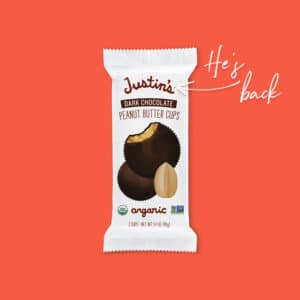
Founders are back
This one is a bit more behind the scenes, but it showed up across a lot of conversations.
In many cases, the big, headline acquisitions over the past few years didn’t go as planned. Integration is hard. Growth slows. The brand loses what made it special.
So what happens next?
Founders step back in. They buy back their companies. Or they start something new with everything they learned the first time.
And you can feel the difference when you talk to them.
They understand velocity. They understand margins. They understand what actually moves product off the shelf.
That experience shows up in sharper products and more focused execution.
Example Brands:
What This All Points To
Talking this through with Gage Mitchell, what stood out isn’t that any one of these trends is new, it’s that they’re all pointing in the same direction. Brands are getting closer to how people actually eat and why they buy. The best protein innovations are when protein is being used in ways that fit naturally into the products, not forced into them. Family, culture, and lived experience are driving what gets made. Ingredients like sugar, fat, and even seaweed are being framed in ways people can understand without needing to overanalyze. And a lot of this is being led by founders who either lived the problem themselves or have already built once and know what matters. If there’s a takeaway, it’s that the bar is getting simpler and higher at the same time. Make something that tastes good, makes sense, and fits into someone’s routine.
Education Articles