
- Marketing
8 Packaging Mistakes Almost Every First-Time CPG Founder Makes (and How to Avoid Them)
By:
Launching a CPG product is exciting, invigorating and sometimes life changing. You’ve spent months, maybe years, perfecting your recipe, sourcing ingredients, building a brand, and preparing for launch. By the time it’s time to design your packaging, you know your product inside and out.
And this is where many first-time founders run into trouble…
The biggest packaging mistakes usually aren’t made because founders don’t care. They’re made because founders care so much about their product that it’s difficult to step back and see it through the eyes of someone discovering it for the very first time.
After working with over 200 emerging food and beverage brands, I’ve noticed the same challenges come up again and again. Fortunately, they’re all avoidable.
Here are eight of the most common packaging mistakes I see, and what to do instead.
1. Trying to Say Everything at Once
Your product has a great story. It’s organic, high protein, gluten-free, sustainably sourced, made with real ingredients, family-owned, chef-created, and supports a meaningful mission.
The temptation is to put every one of those messages on the front of the package.
The result? Nothing stands out.
A shopper only gives your package a few seconds of attention. If they’re forced to sort through ten different messages to figure out what they’re looking at, you’ve already made the buying decision harder than it needs to be.
Instead, ask yourself:
- What is the single most important thing someone should notice first?
- What should they notice second?
- What information can wait until they pick up the package?
Great packaging doesn’t communicate everything. It communicates the right things in the right order.
2. Designing for Yourself Instead of Your Customer
Founders know every detail about their product. They know why they chose a particular ingredient, where it comes from, how it’s manufactured, and what makes it different.
Your customer doesn’t.
Someone walking down the grocery aisle is seeing your brand for the first time. They aren’t emotionally invested in your story yet. They’re simply trying to answer a few basic questions:
- What is this?
- Why should I care?
- Why should I buy this instead of everything else on the shelf?
The best packaging bridges the gap between what you know and what your customer needs to know.
So many founders look at packaging design through the scope of their own interests. It is critical, instead, to step back and see what your first-time customers see.
This is where brand strategy, and truly understanding who your customers are, pays off. Never skip strategy.
3. Making the Packaging More Complicated Than It Needs to Be
Many founders want to create something no one has ever seen before. They think, this is how people will recognize my brand.
Innovation can absolutely be a competitive advantage, but not when it creates unnecessary complexity.
I’ve seen brands consider custom package structures, elaborate folds, oversized boxes, multiple labels, unique closures, and other features that look interesting but create challenges throughout the supply chain and customer experience.
More complexity often means:
- Higher production costs
- Increased shipping expenses
- More packaging waste
- Slower manufacturing
- More opportunities for quality issues
- A less intuitive experience for the customer
Innovation should solve a problem.
It should make your product easier to notice, easier to understand, easier to use, or easier to remember. If it’s simply different for the sake of being different, it may be creating more problems than value.
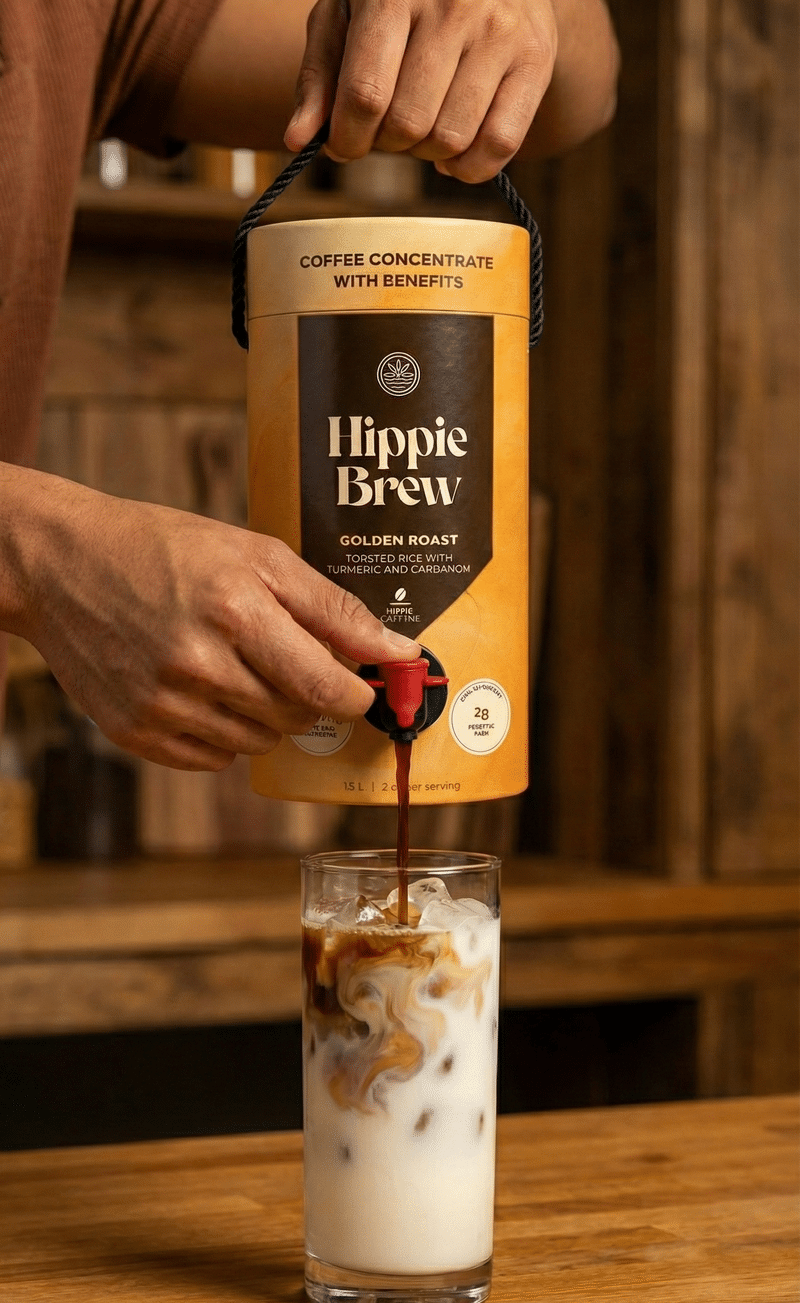
Take this Hippie Brew coffee concentrate, for example. Why does something that fits in your hand need to be in a bag inside a paper tube, with a lid, a string handle and a spout. Wouldn’t a simple bottle and cap be less expensive and easier to use?
4. Copying the Category Too Closely
It’s smart to study your competitors. It’s not smart to become one of them.
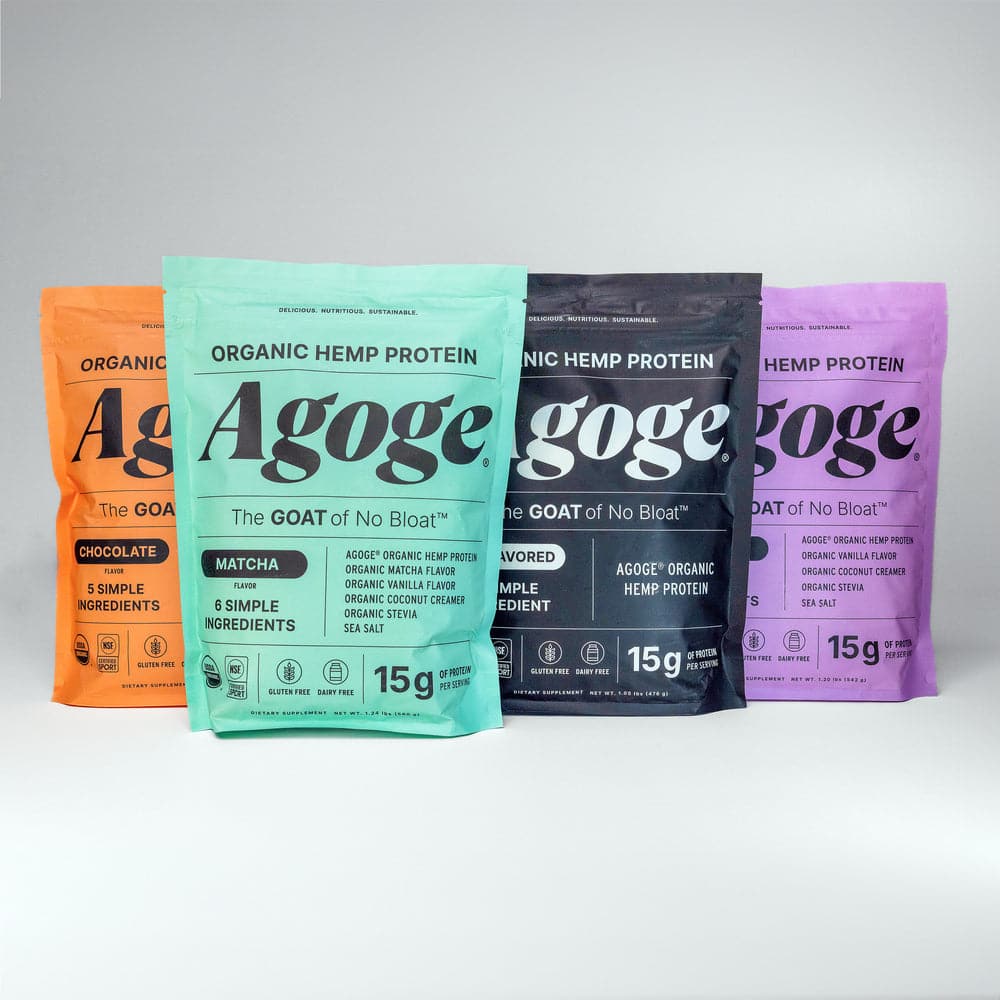
Every category has visual conventions that help shoppers quickly recognize what they’re looking at. Coffee looks different from frozen pizza. Protein powders look different from sparkling water.
Those familiar cues are important.
But if your packaging looks nearly identical to the five brands sitting next to you, you’ve lost your opportunity to stand out.
The goal isn’t to ignore category expectations.
The goal is to look like you belong on the shelf while giving shoppers a memorable reason to choose you.
5. Forgetting About Future Products
Many brands design packaging around their very first SKU.
Then six months later they introduce a second flavor or another product line.
Then a third.
Then a fourth.
Suddenly the products no longer look like they belong together.
One of the biggest investments you can make early is thinking beyond today’s launch. Build a packaging system instead of a single package.
A strong packaging architecture should make it easy to introduce new flavors, product lines, and formats without reinventing your design every time.
Your future self, and your design budget, will thank you.
6. Prioritizing Aesthetics Over Clarity
Beautiful packaging matters.
But beautiful packaging that doesn’t clearly communicate the product rarely performs as well as founders hope.
Ask someone who’s never seen your package before:
- Can they immediately tell what it is?
- Do they understand the biggest benefit?
- Is the brand easy to find?
- Would they know who the product is for?
If those answers aren’t immediately obvious, the design may be working harder to impress than it is to sell.
The most effective packaging usually balances both.
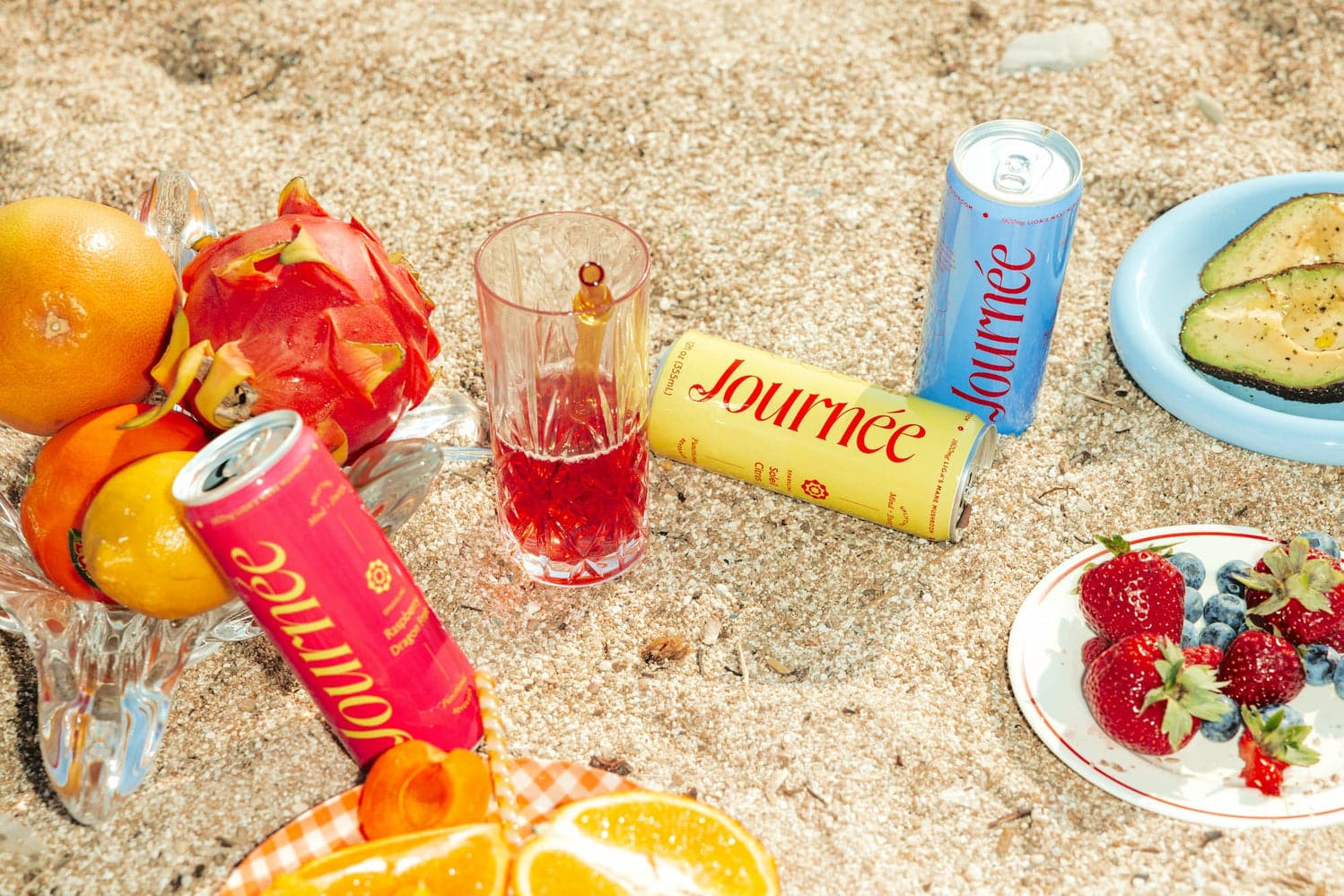
7. Designing for Instagram Instead of the Shelf
Social media has become an important marketing channel for CPG brands.
But most purchasing decisions still happen in stores.
A package that looks incredible as a perfectly lit square image on Instagram may not perform nearly as well sitting four shelves down in a crowded grocery aisle.
Retail shoppers often make decisions from several feet away while comparing dozens of products at once.
Ask yourself:
- Can shoppers recognize my brand from a distance?
- Is the product easy to identify?
- Does the most important information stand out?
- Would my package still catch attention surrounded by competitors?
The shelf should always be one of your primary design considerations.
8. Waiting Too Long to Get Outside Feedback
By the time packaging is finished, founders have often looked at it hundreds of times.
That familiarity makes it difficult to notice what’s missing.
Fresh eyes can reveal confusing messaging, overlooked hierarchy issues, weak differentiation, or opportunities to improve before thousands of packages are printed.
That doesn’t always require expensive consumer research.
Sometimes it’s as simple as:
- Printing prototypes
- Placing them beside competitors
- Showing them to people who aren’t familiar with your product
- Walking the category at your local grocery store
Be careful asking your friends or anyone not experienced in CPG for design advice. Don’t ask, “What do you think of this design?” That only invites pooradvice that won’t lead to better sales.
Instead ask, “Can you immediately tell what this product is? Are the benefits and differentiators clear? Would you grab this off the shelf?”
Lastly, friends and family want to see you succeed. Their opinions could be well-intended, but misinformed. They could say everything is great when it’s not. Or, they could give you incorrect advice on accident because they want you to grow.
Find an industry expert, reach out to founders who have already been where you are, or just reach out to a packaging expert, like me, for an outside perspective.
Final Thoughts
Great packaging isn’t about making the loudest package on the shelf.
It’s about making the buying decision easier.
When shoppers can quickly understand what your product is, why it’s different, and why it’s worth choosing, you’ve removed friction from the purchase process.
That’s what effective packaging does.
If you’re preparing for your first retail launch, use these eight mistakes as a checklist before your packaging goes to print. Taking a little extra time to evaluate your design now can save you from costly revisions later, and help give your product the best possible chance of succeeding once it reaches the shelf.
Looking for More Packaging Insights?
Building a successful CPG brand takes more than great design. If you’d like to dive deeper into packaging strategy, branding, and what helps products stand out at retail, I’ve written additional articles that expand on many of the ideas discussed here.
You can find them in the Avidity Creative Insights library.
——————
About the Author
Adam Feller is the Founder and Creative Director of Avidity Creative, a branding and packaging design agency that helps emerging food and beverage brands grow through strategic brand positioning, identity, and packaging design. Since 2017, Avidity has partnered with startups and established CPG companies to launch new products, refresh existing brands, and build packaging systems designed for retail success. He also hosts the Shelf Talkers podcast where he interviews CPG founders about the lessons they’ve learned building and scaling their brands. Learn more at aviditycreative.com or connect with Adam on LinkedIn.
Education Articles