Build a Scalable Finance System (Without Hiring a Full Team)
Why fractional accounting is the most efficient model for brands under $50M.
By Alisa Pospekhova
So you are getting close – after months of work, pushing through obstacles and perfecting self-encouragement pep-talk, you are nearly there! You’ve perfected your product, secured the trademarks, figured out manufacturing and feel confident in your business plan.
The many design iterations are behind you and you feel like you are finally seeing your vision manifest, but before your hit your final “send” on that art file to your printer, make sure you are not succumbing to some of the common packaging pitfalls below:
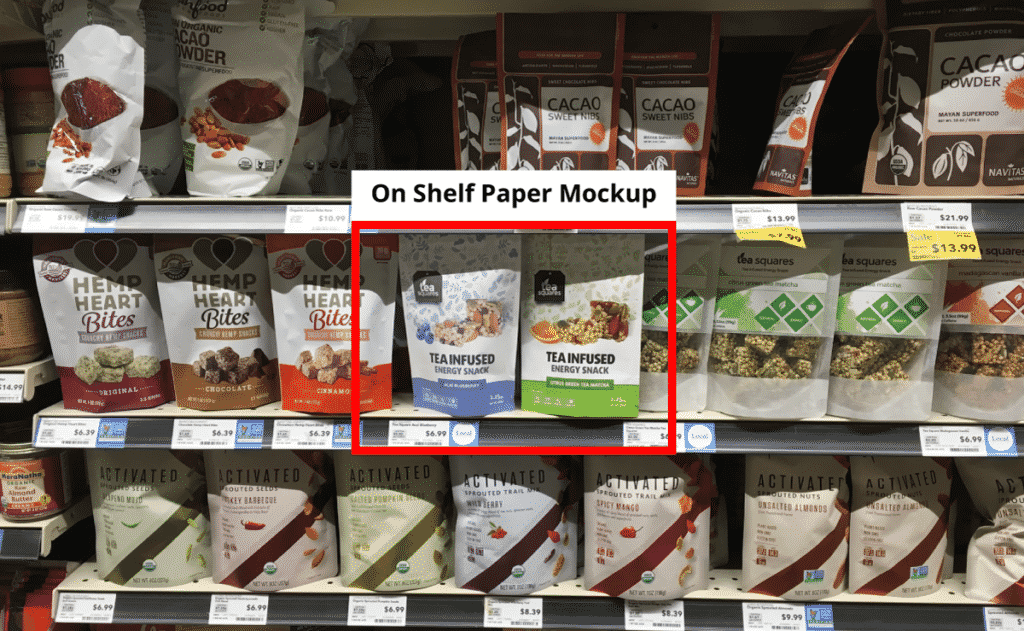
Most things will look good when shown on a beautiful slide with complementing background and perfect lighting, but will your minimalist aesthetic or neon accents look as good under the grocery store’s fluorescent lighting or will they pop through when the freezer door fogs up? Unfortunately many cool and conceptual designs just don’t translate in less than perfect environments. Invest in a mockup pack to see how it actually works in the real world.
One of the most devastating things for a marketer is seeing your beautiful concepts that you’ve painstakingly obsessed over come back as less than optimal imitations of themselves. Are you designing something with bold and punchy colors that requires high-gloss finish or raised design, but you are printing on thin matte craft paper that will never work? Make sure your materials work with your design rather than against it to avoid heartbreaking and costly mistakes.
How will your future fans get your product? Are you planning on building an e-commerce business, but you just selected something that will add a ton of weight or will require a non-standard shipping container killing your costs (but it was so cool!) ? Or did you perhaps create a pouch that is 2 inches taller than the typical shelf at your target retailer (but it felt so impactful!). You might need to sacrifice some uniqueness to make it work and just remember that sometimes the simplest and time-tested solutions are actually the best ones – you don’t always have to reinvent the wheel.
Think through how your consumer will actually be using the product. Nobody is thrilled when a mint pack that is supposed to be “perfect on the go” spills all over their bag after a day. Or how about a “30 day supply” powder that comes without a resealable top? Whether thinking through on your own, or getting feedback from a test group, make sure your packaging complements the usage and benefits you are touting.
The truth is that you won’t get it 100% right the first time. Very likely the consumer will surprise you with how they are using or storing the product and you will just have to adjust as you go. Buy the absolute minimum that you can and don’t worry your initial per unit costs – it is much better to have flexibility to quickly adjust and change for your next run than having to work through cheap packaging that isn’t optimal or even worse, having to throw it away.
By Alisa Pospekhova
Alisa is the founder of Kindroot. We make functional aromatic lozenges that combine healing properties of plants with delicious flavor for a full body holistic experience.

Why fractional accounting is the most efficient model for brands under $50M.

News from Mash Gang, RoRo’s Baking Company, Oval Coffee Roasters, Fly By Jing, Koia, Doughp, Doich, TRUBAR, Magnolia Bakery, Papa Mountain and SkinnyDipped.

In this episode, I talk with John Ferrante from EO Space about how high-growth CPG brands find white space, build emotional differentiation, and use packaging as a true growth lever.
The online the community for food and beverage founders