
- Marketing, Operations
Rebranding for Gen Z: How to Win the Visual Generation
By:
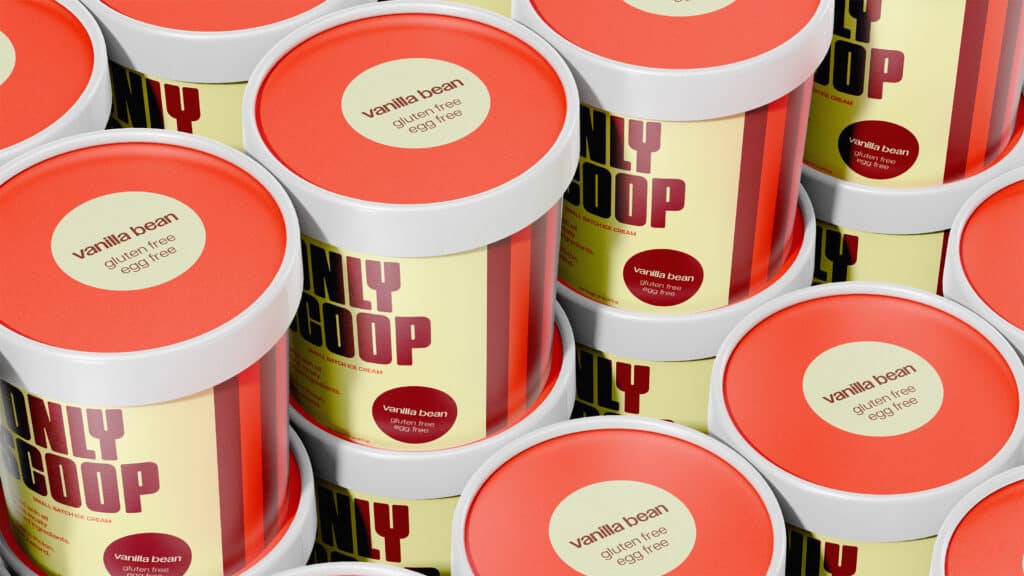
Gen Z commands over $360 billion in spending power today, and that number is set to hit $12 trillion by 2030. But here’s the catch: they’ve never known a world without digital saturation. From toddlerhood, they’ve been marketed to through screens—and they’ve developed a sixth sense for brands that just don’t get it. For food and beverage founders, this means your brand has to do more than shout “clean ingredients” to get noticed. You have to feel like something they’d choose to interact with—something that gets them on an emotional and aesthetic level.
So how are the top brands getting it right in 2024 and 2025? They’re not just better-for-you—they’re built for them. Let’s break down the 8 visual and emotional cues Gen Z responds to—and what you need to stop doing if you want to stay relevant.
1. Think Beyond the Wellness Trend
🛑 Mistake: Your only message is “we use clean ingredients.” That’s not enough.
For Millennials, “clean label” was a badge of honor. For Gen Z? It’s the baseline. Better-for-you is expected. If your brand leads with nothing more than macros and functional benefits, you’re playing in a sea of sameness. This generation is seeking emotional outcomes, not just nutritional ones.
How to Fix It:
- Anchor your brand in a feeling. Whether it’s joy, nostalgia, rebellion, or calm—emotions cut through faster than facts.
- Tell a story that goes beyond the product. Does your flavor lineup reflect a mood? Does your tone spark a cultural connection?
- Highlight sensory experience. Taste, texture, and cultural references break through the “clean-washed” white noise.
🛠 Example: Brands like Mid-Day Squares or OLIPOP don’t just talk function—they sell confidence, gut joy, and retro fun.
2. Don’t Just Be a Brand—Feel Like a Person
🛑 Mistake: You sound like a PowerPoint, not a personality.
Gen Z has a fine-tuned radar for inauthenticity. They’re not interested in polished corporate-speak or overly branded jargon. If your copy sounds like it was approved by a legal team before a human being, you’ve already lost them.
How to Fix It:
- Write like a friend, not a founder. Use conversational, even playful language.
- Inject your quirks into your visuals. Playful illustrations, unexpected icons, or even a weird mascot can build rapport.
- Use your packaging and site to spark a reaction. Humor, sarcasm, sass, warmth—just make them feel something.
🛠 Example: Chamberlain Coffee nails this. Their brand voice is casual, cool, and irreverent—and it feels like Emma herself is talking to you.
3. Design for Scroll, Not Just Shelf
🛑 Mistake: You look great in-store, but disappear in the feed.
In 2025, your first touchpoint isn’t the shelf—it’s the scroll. Instagram, TikTok, or even a newsletter thumbnail is likely where they’ll see you first. So while retail presence matters, scroll presence converts.
How to Fix It:
- Design with social in mind. Think bold visuals, high-contrast packaging, and thumbnail-worthy photography.
- Create lifestyle content. Show your product in moments that matter—study snacks, friend hangs, wellness rituals.
- Use dynamic content. Video loops, animations, and stop-motion bring the brand to life in motion.
🛠 Example: Ghia and Deux excel here—they look as good in motion as they do on shelf.
4. Safe Design Is Shelf Death
🛑 Mistake: You’re chasing trends instead of setting them.
You’ve seen it: soft pastels, squiggly fonts, lowercase sans-serifs. Everyone’s doing it—and that’s exactly why Gen Z is tuning out. If your brand feels like a copy-paste of what’s working, you’ve already blended in.
How to Fix It:
- Break the visual mold. Choose colors, typography, or humor that stand out.
- Dial up your creative risk. Safe doesn’t go viral. Weird does.
- Ask: would someone screenshot this? Share it? Laugh at it? If not—back to the drawing board.
🛠 Example: Graza was first. Now, dozens copy its “squeeze-bottle-meets-bold-typography” look. Don’t be #29.
5. Build a World, Not Just a Label
🛑 Mistake: Your brand dies outside the box.
A label can’t carry your brand alone. The best brands today build an immersive ecosystem—one where your product becomes a lifestyle, a vibe, and a community invite.
How to Fix It:
- Create repeatable slogans or mantras. Something that becomes a rallying cry across channels.
- Build visual consistency. Fonts, filters, color language, and iconography should be unmistakably you.
- Think beyond DTC—make merch, playlists, pop-ups. Every extension deepens the brand world.
🛠 Example: Canopy Humidifier sells beauty tech—but their universe includes curated playlists, emotional language, and dreamy visuals.
6. Tap Into Nostalgia—Without Feeling Dated
🛑 Mistake: You’re obsessed with being “new” and miss the power of memory.
Gen Z grew up on Lunchables and Fruit Gushers, but now shops at Erewhon. That doesn’t mean they’ve forgotten where they came from—it means they crave a clever blend of comfort + cool.
How to Fix It:
- Use subtle visual nods. Retro fonts, neon accents, or flavor names like “PB&J Remix” spark recognition.
- Create throwback-inspired drops. Limited editions with 90s-style packaging or flavors drive emotional engagement.
- Balance with novelty. Familiarity gets them in. Freshness keeps them coming back.
🛠 Example: Fly By Jing’s chili crisp gift tins and Magic Spoon’s cereal boxes both pull off nostalgic modernity perfectly.
7. Don’t Sleep on the C-Store
🛑 Mistake: You’re only chasing Whole Foods and Erewhon.
Gen Z’s real buying happens in bodegas, gas stations, and campus stores. And in those tight, fast-moving environments, design needs to convert instantly—not just look premium.
How to Fix It:
- Use bold colors and vertical layout. They scan faster in cluttered shelves.
- Make snackability obvious. Mini packs, resealable formats, or duo-bundles win.
- Match your marketing moments. Think: late-night munchies, class breaks, road trip fuel.
🛠 Example: C4 Energy, Poppi, and Luna Bay Booch are showing up strong in convenience—and building loyalty in the process.
8. Sell Value in a Tight Economy
🛑 Mistake: You only speak “premium”—and ignore perceived value.
Post-COVID inflation and student debt are real. Even status-driven Gen Z buyers want brands that justify the price—not just flaunt it. You don’t need to race to the bottom, but you do need to speak to value.
How to Fix It:
- Use scarcity tactics. “Limited drop,” “refill pack,” or “exclusive flavor” makes value feel special.
- Offer entry points. Bundles, starter kits, or snack-size packs lower the barrier to try.
- Be transparent. Explain what your pricing reflects—sourcing, quality, ethical labor, etc.
🛠 Example: Magic Mind offers a “30-day challenge” subscription with community perks—blending value, exclusivity, and belonging.
Your Brand Deserves to Be Seen—and Shared
In a visual-first, emotion-led world, Gen Z doesn’t buy products—they buy meaning, identity, and resonance. Rebranding for Gen Z isn’t just about redesigning your packaging—it’s about rethinking how your brand shows up as a personality, a lifestyle, and a worldview.
If your branding feels flat, forgettable, or function-first—it’s time to evolve.
🚀 Get Expert Feedback on Your Packaging
EO Space is an agile F&B design studio helping growth-stage grocery brands create world-class brand, packaging, and marketing experiences for modern retailers and new-age consumers.
🎁 Limited Offer: Get a FREE Packaging Audit — see how your packaging stacks up against top grocery brands with expert feedback on your front-of-pack design, messaging, and retail readiness.
Education Articles