
- Marketing
From Packaging to Shopify: How to Build a CPG Brand That Actually Feels Cohesive
By:
Sponsored by JK Creative NYC. This experienced, boutique creative agency helps CPG brands create market-ready packaging, branding, and visuals that stand out on shelf and build stronger shopper connections.
Special Offer: Get 30% off a packaging redesign, 20% off a website upgrade, or 10% off new custom packaging design.
When founders think about branding, they often start with packaging. That makes sense. Packaging is urgent. You need something that can go to print, sit on shelf, ship to customers, and represent the product clearly.
But your brand is not just your packaging.
Your brand is the full experience a customer has from the moment they discover you to the moment they buy, unbox, taste, reorder, recommend, or see your ad again three weeks later.
That experience includes your package, Shopify site, product images, social posts, ads, emails, sell sheets, pitch decks, and even the way your product appears in a retailer’s online catalog.
When those pieces feel connected, your brand becomes easier to recognize and easier to trust. When they feel disconnected, even a great product can look less credible than it really is.
Cohesion starts before design
A cohesive brand does not happen by accident. It starts with a clear creative foundation.
Before designing a package, website, or ad, founders should answer a few key questions:
Who is this product for?
What does the customer need to feel immediately?
Are we premium, playful, functional, nostalgic, bold, calming, indulgent, or clean?
What makes the product different?
What visual world would make that difference obvious?
These answers become the foundation for every visual decision.
For example, a better-for-you candy brand and a functional mushroom beverage might both want to feel “modern,” but they should not look the same. One may need bright colors, playful shapes, and energetic social content. The other may need calm tones, ingredient-forward imagery, and a more editorial website experience.
The best brands understand their world before creating individual assets.
Packaging is the anchor
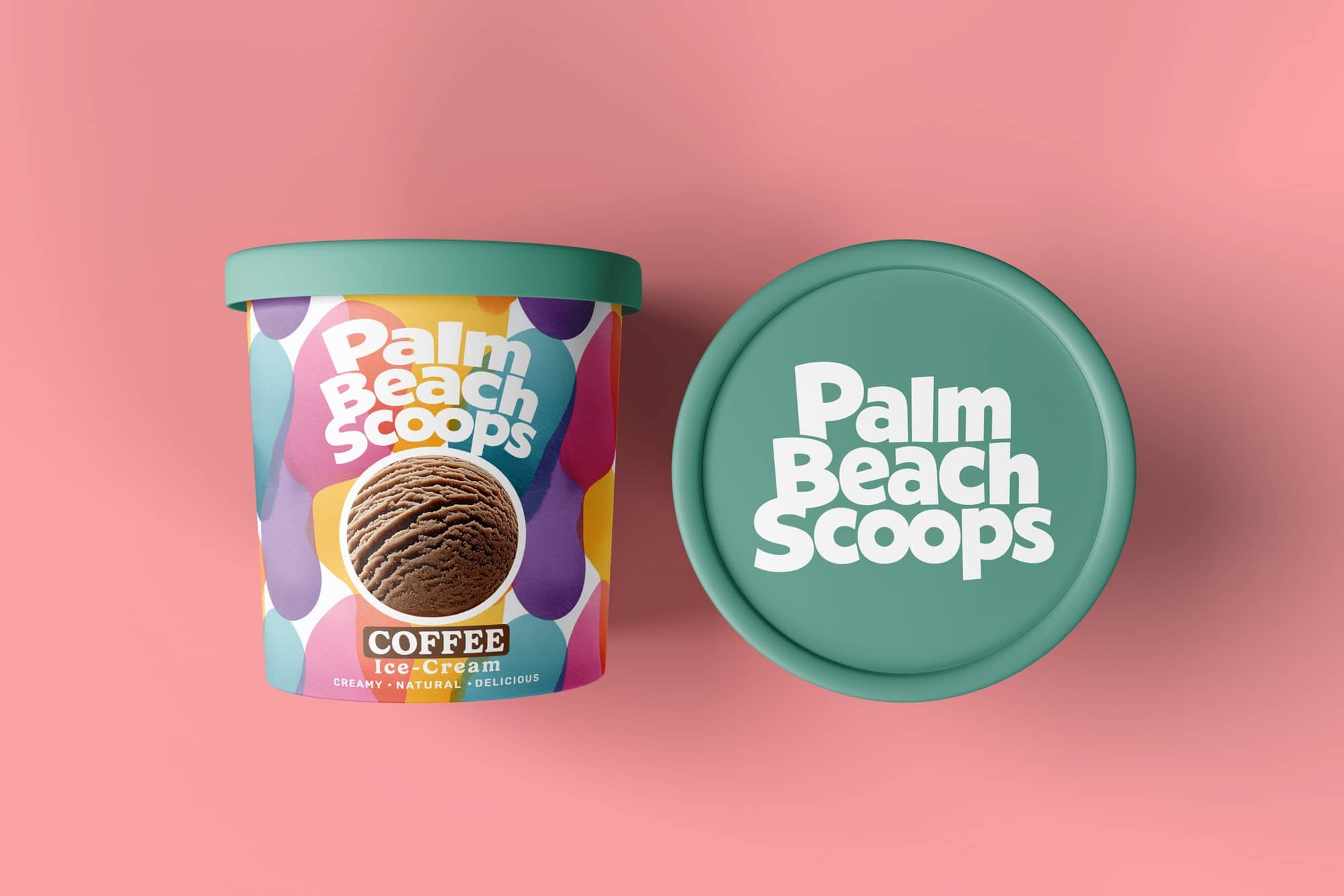
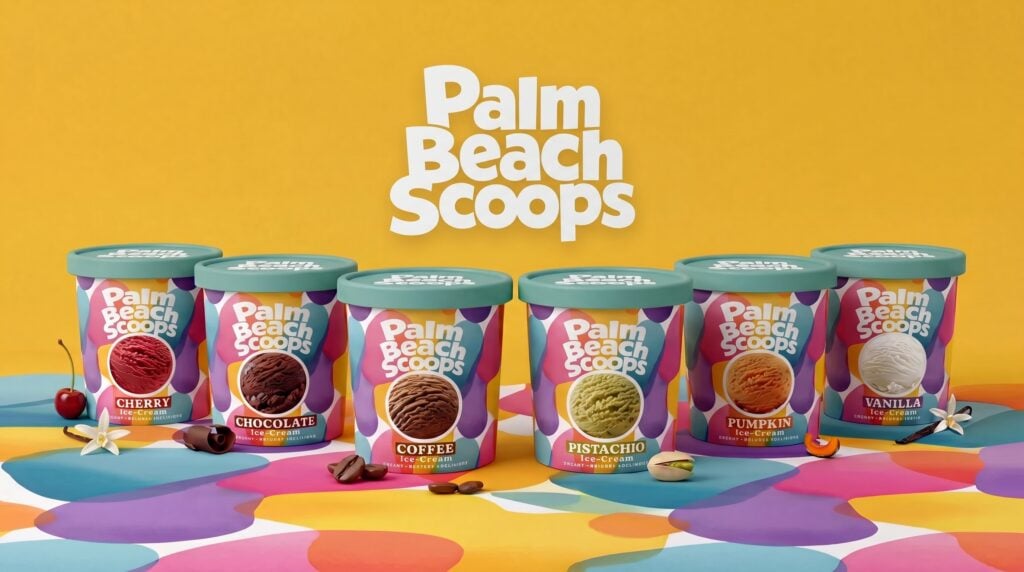
Your packaging is usually the most fixed visual asset. Once it goes to print, it is not easy to change. That is why it often becomes the anchor for the rest of the brand.
But packaging should not be designed as a standalone object. It should be designed with future touchpoints in mind.
A strong packaging system should consider:
How the product will look on Shopify
How the front panel will appear in digital ads
Whether the colors work on screen and in print
How flavor or SKU differentiation will extend
What product images will need to exist later
How the brand will show up in social content
Whether the design can scale into multipacks, variety packs, shippers, or retail displays
This does not mean overcomplicating the first version. It means designing with the whole brand experience in mind.
When packaging is treated as one piece of a larger system, every future asset becomes easier to create.
Your Shopify site should feel like your shelf presence
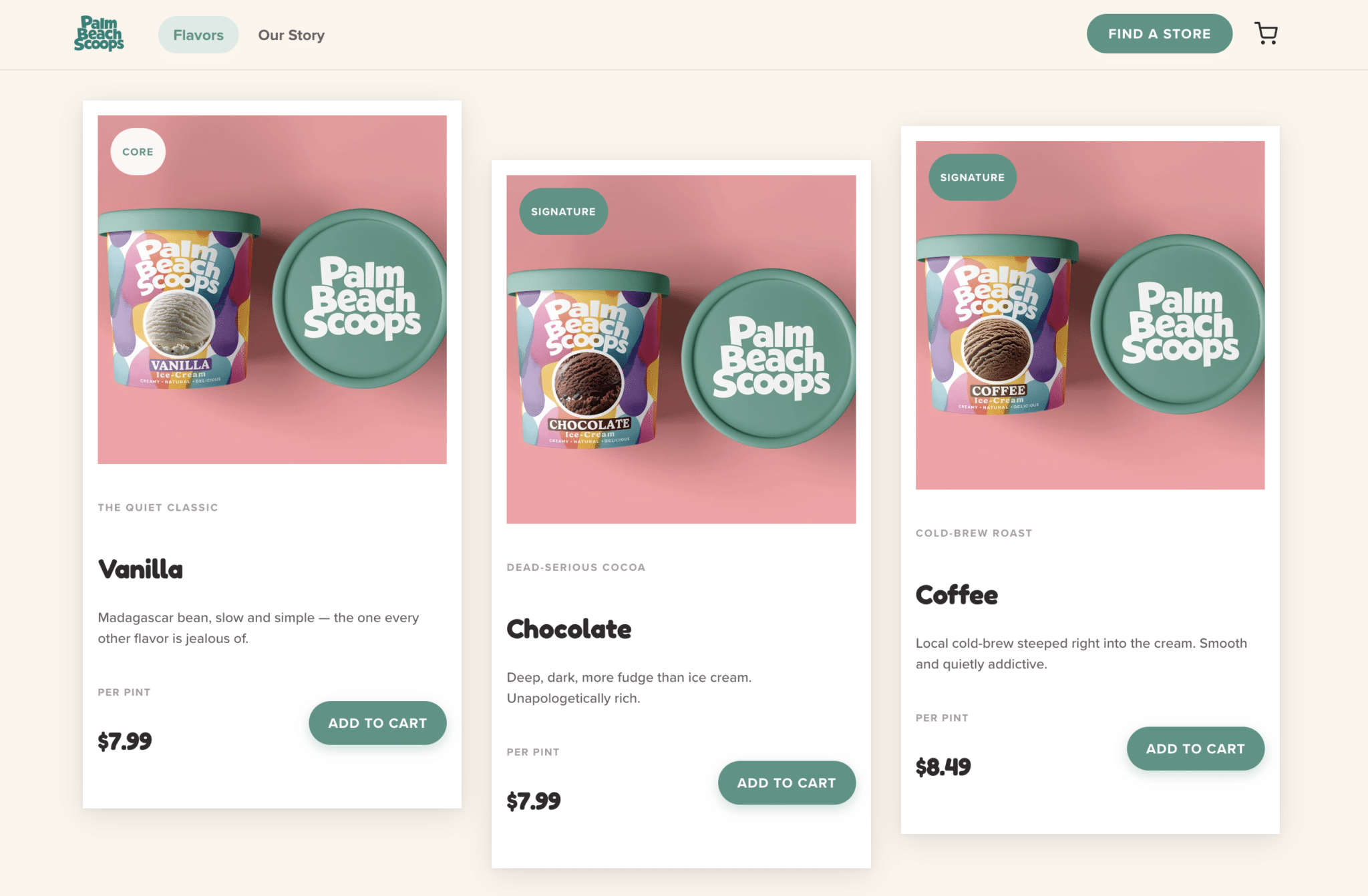
Your website is not just a place to sell product. It is your digital shelf.
For many customers, your Shopify site is where they decide whether the product is worth buying. For wholesale buyers, it is often where they check whether your brand feels legitimate. For investors or partners, it is a quick signal of how seriously you are building.
A cohesive Shopify site should feel like a natural extension of the packaging.
That means using the same brand colors, type styles, product image direction, tone, and visual hierarchy. But it also means translating the physical product experience into a digital journey.
The website should answer:
What is the product?
Why should I care?
What makes it different?
What does it taste like, feel like, or solve?
Why should I trust this brand?
How do I buy?
Too many CPG websites look like generic ecommerce templates with product photos dropped in. The site may technically function, but it does not strengthen the brand.
A good Shopify build should make the product more desirable.
Marketing visuals should not feel like an afterthought
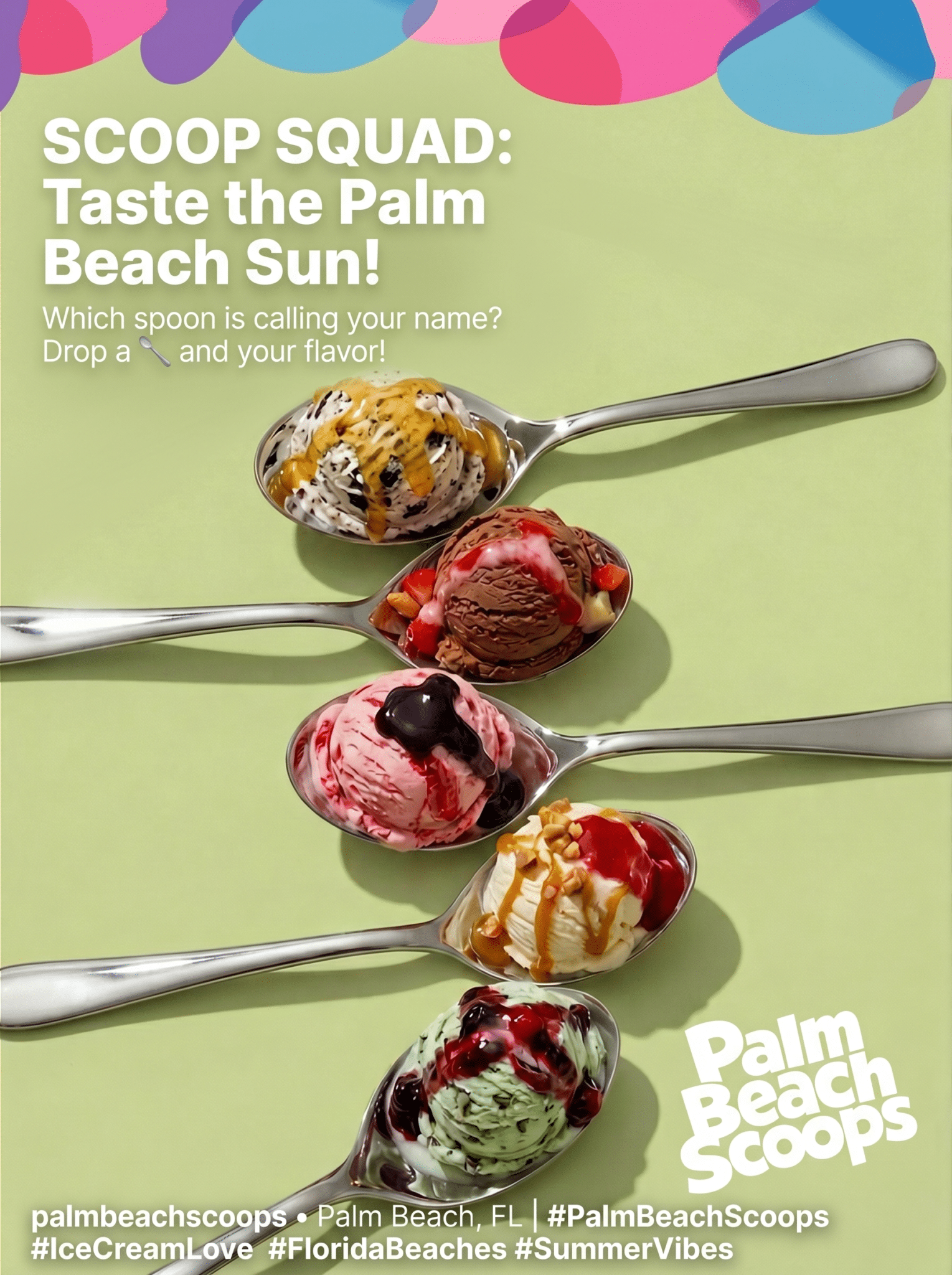
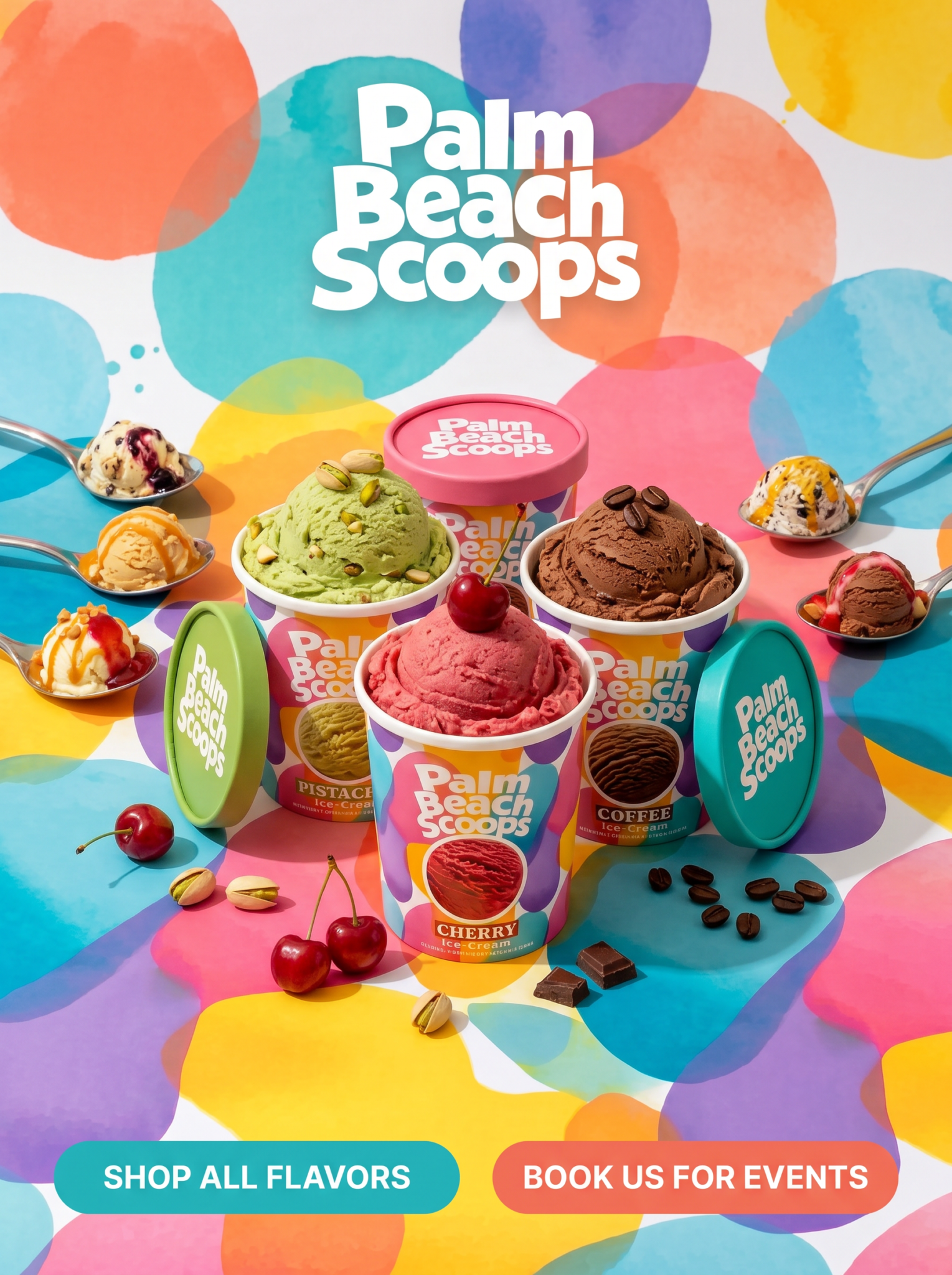
Social media and ads are often where brand consistency breaks down.
A founder launches with strong packaging and a decent website, then starts creating content under pressure. Suddenly, the brand’s Instagram looks like a mix of product screenshots, random lifestyle images, meme formats, retailer announcements, and Canva templates.
This is understandable. Founders are busy. Content demands are constant. But amateur-looking visuals can weaken a premium product quickly.
Your social and advertising visuals should have the same level of intention as your packaging. They do not need to be overly polished, but they should feel branded.
That could mean consistent product angles, recurring backgrounds, brand color blocking, ingredient callouts, benefit-led graphics, or a specific style of motion and layout.
The goal is to make the brand recognizable even when the logo is small.
Think in systems, not one-off assets
One of the biggest shifts founders can make is to stop thinking asset by asset.
Instead of asking, “Can we get a package design?” ask, “What visual system will support this product across retail, ecommerce, social, and paid media?”
Instead of asking, “Can we make a few social posts?” ask, “What content style will make the brand feel consistent every week?”
Instead of asking, “Can we build a Shopify site?” ask, “How should the website extend the brand story that starts on the package?”
This systems-based thinking saves time, money, and creative energy.
It also helps you avoid the expensive cycle of fixing things later. A disconnected Shopify site, weak product imagery, or inconsistent ad creative may not seem urgent at launch, but those gaps become more painful as you grow.
Why one connected creative partner helps
CPG founders already manage enough complexity. You are coordinating manufacturing, inventory, operations, cash flow, retailers, brokers, distributors, marketing, fundraising, and customer service.
Managing separate creative vendors for every visual need can add another layer of complexity.
One designer handles packaging.
Another builds the website.
Another creates social assets.
Another edits product images.
Another makes ads.
Even when each person is talented, the founder often becomes the person trying to hold the brand together.
A more efficient approach is to work with a creative partner who can handle the full visual ecosystem. JK Creative NYC, for example, supports packaging design and upgrades, print-ready production files, Shopify design and buildout, and marketing visuals that can be created without a traditional photoshoot.
That kind of connected support helps keep the brand consistent from the first concept through the customer-facing sales experience.
Consistency makes growth easier
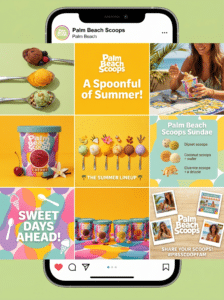
A cohesive brand does not just look better. It makes everything easier to build.
Retailer pitches look stronger.
Ads feel more credible.
Your website converts more effectively.
Social content becomes easier to produce.
Customers recognize you faster.
Your product feels more premium.
As your brand grows, you will need more assets, not fewer. More SKUs, more launches, more channels, more campaigns, more retailer presentations, more ecommerce updates, more social content.
If the foundation is inconsistent, growth creates more chaos.
If the foundation is cohesive, growth becomes easier to manage.
Build the brand world, not just the package

Your packaging may be the first major expression of your brand, but it should not be the only one.
The strongest CPG brands create a connected world around the product. The package, website, product images, social media, ads, and sales materials all work together to tell the same story.
That is what customers remember.
That is what makes a brand feel real.
And in a crowded category, that cohesion can be the difference between a product that looks like an experiment and a brand that looks ready to grow.
JK Creative NYC works with CPG founders to build connected visual systems across packaging, Shopify, and marketing content. Their services include packaging design and upgrades from concept through print-ready production files, Shopify design and buildout, and AI-supported visuals for social media, advertising, and brand campaigns without the cost of a full photoshoot.
If you want an introduction to JK Creative NYC, click the button below.
Education Articles