

- Manufacturing
How Hydrocolloids Are Used in Food and Beverage Manufacturing
By:
Sponsored by Acme-Hardesty stands out. With experience in specialty ingredient distribution since 1942, the company has built a reputation for connecting manufacturers with high-quality, sustainably sourced ingredients that meet the needs of modern formulations.
What Are Hydrocolloids and Why Do Manufacturers Use Them?
Understanding what hydrocolloids are begins with their chemistry. Hydrocolloids are water-soluble polymers that form gels or viscous solutions when dispersed in water. They interact with water to thicken, gel, stabilize or bind ingredients together.
Hydrocolloids are derived from various natural sources, including plants, seaweed, microbial fermentation and sometimes animal products. Common examples include:
- Xanthan gum
- Guar gum
- Pectin
- Agar
- Locust bean gum
Each hydrocolloid behaves differently depending on temperature, pH and other ingredients in a formulation. Some create strong gels, while others produce a smooth viscosity or prevent separation.
For food and beverage manufacturers, this flexibility makes hydrocolloids invaluable. A small adjustment in type or concentration can dramatically change a product’s texture, stability and processing performance.
Creating the Right Texture and Mouthfeel
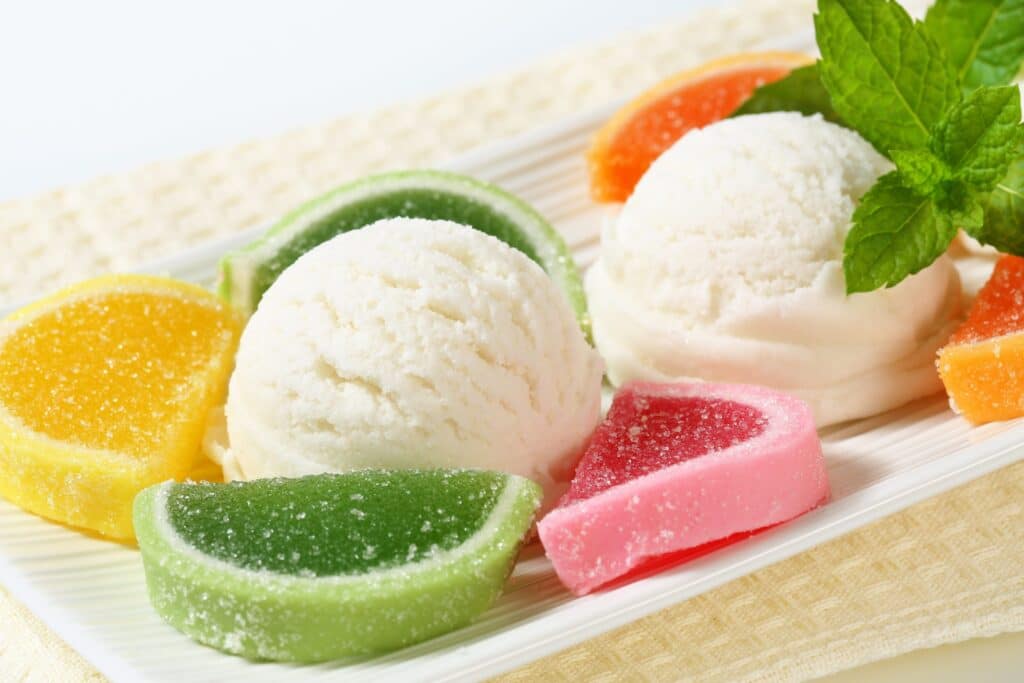
Texture is one of the defining characteristics of any food or beverage product. It influences how a product pours, spreads or feels. Consumers may not consciously analyze texture, but they immediately notice when it feels wrong.
Hydrocolloids allow manufacturers to control these sensory attributes with precision. A yogurt needs thickness and creaminess. A beverage should feel smooth rather than watery. A sauce must cling to food without becoming overly dense.
By selecting the appropriate hydrocolloid and adjusting concentration levels, developers can fine-tune viscosity and gel strength. Some hydrocolloids create silky textures, while others add body and structure. Many are used in combination to achieve the desired effect. This results in a product that looks appealing, feels satisfying and performs consistently from batch to batch.
Stabilizing Complex Food and Beverage Systems
Many foods contain ingredients that naturally separate over time. For example, oil and water tend to pull apart unless stabilized. Suspended particles in beverages can settle. Emulsions can break.
Hydrocolloids help solve these challenges by improving stability and preventing separation. They work by increasing viscosity, forming weak gel networks or suspending particles evenly throughout a liquid. This is especially important in beverages containing fruit pulp, cocoa, protein or plant solids. Without stabilization, these components would sink to the bottom of the container during storage.
Manufacturers that fully understand what hydrocolloids are and how they interact with different ingredients can design products that remain visually appealing and stable throughout their shelf life.
Extending Shelf Life and Maintaining Product Quality
Shelf stability is another area where hydrocolloids make a significant difference. Food products often change over time as moisture moves between ingredients, ice crystals form during freezing, or structural components break down.
Hydrocolloids help control these processes. They can slow moisture migration, stabilize emulsions and reduce the growth of large ice crystals in frozen food. In baked goods, they help retain moisture and maintain softness. They also play an important role in gluten-free formulations. Without gluten to provide structure, hydrocolloids help replicate elasticity and improve the texture of breads and baked products.
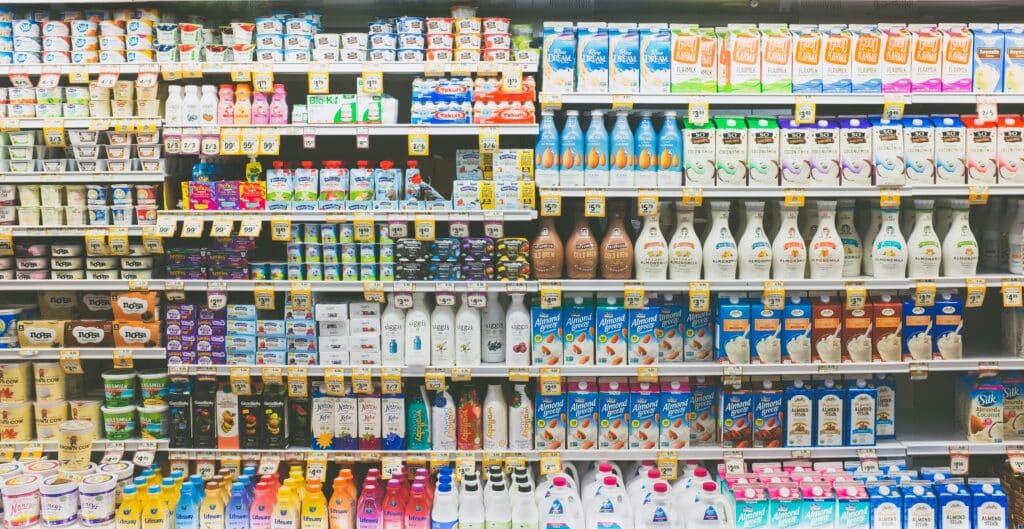
Thanks to their multifunctionality, hydrocolloids are used in a wide range of applications, from ice cream and salad dressings to ready-to-drink beverages and plant-based dairy alternatives.
Supporting Innovation in Modern Food Products
Consumer expectations are evolving rapidly. Shoppers increasingly look for plant-based options, reduced-fat foods and products with improved nutritional profiles. Simultaneously, they expect the same taste and texture they’re used to.
Hydrocolloids help bridge that gap. In plant-based beverages, they contribute to creaminess and suspension stability. In reduced-fat foods, they mimic the texture typically provided by fat. In high-protein drinks, they help maintain smooth consistency and prevent ingredient separation. These functional ingredients make it possible to create innovative formulations while maintaining product quality.
Partnering With a Reliable Hydrocolloid Supplier
As hydrocolloids become increasingly important in modern food formulation, manufacturers need more than just access to ingredients. They need reliable sourcing, technical insight and a partner who understands the complexities of food and beverage production.
This is where Acme-Hardesty stands out. With experience in specialty ingredient distribution since 1942, the company has built a reputation for connecting manufacturers with high-quality, sustainably sourced ingredients that meet the needs of modern formulations.
Acme-Hardesty operates as a division of Jacob Stern & Sons and serves a wide range of industries, including food and beverage, nutraceuticals, personal care and pharmaceuticals. Its Life Sciences division specifically supports manufacturers developing nutritional ingredients, supplements and functional foods.
The company’s ingredient portfolio includes hydrocolloids, plant proteins, botanicals, prebiotics and nutritional lipids. This wide range of solutions allows food and beverage producers to source multiple functional ingredients through a single trusted supplier.
Equally important is Acme-Hardesty’s focus on sustainability. The company prioritizes renewable, bio-based ingredients and maintains strong global supplier relationships to ensure dependable sourcing and responsible production practices. For manufacturers working to create stable, high-quality food and beverage products, this combination of ingredient expertise, global sourcing and technical support can make a significant difference.
Frequently Asked Questions
Learn more about hydrocolloids used in food and beverages.
What are hydrocolloids in food manufacturing?
Hydrocolloids are ingredients that interact with water to thicken, gel, stabilize or bind food and beverage formulations. Common examples include xanthan gum, pectin and carrageenan. They help manufacturers control texture, consistency and stability in products ranging from sauces and dairy foods to beverages.
Why are hydrocolloids important in beverages?
Hydrocolloids help stabilize beverages by suspending particles, improving mouthfeel and preventing ingredient separation. They ensure that components like fruit pulp, cocoa or protein stay evenly distributed, helping drinks maintain their texture, appearance and consistency throughout shelf life.
Are hydrocolloids natural ingredients?
Many come from natural sources such as seaweed, plants or microbial fermentation. Ingredients like agar, pectin and guar gum are widely used in food manufacturing because they provide reliable functionality while meeting consumer demand for plant-based and naturally derived ingredients.
Which foods commonly use hydrocolloids?
Hydrocolloids appear in a range of foods, including yogurt, ice cream, salad dressings, sauces, plant-based milks, baked goods and desserts. They improve texture, stabilize emulsions, control moisture and maintain the desired consistency during processing and storage.
The Invisible Ingredient That Makes Everything Work
Hydrocolloids may not always appear on the front of a food label, but their impact on food and beverage products is unmistakable. They influence texture, stability, shelf life and overall product quality. Without them, many of the foods and drinks consumers enjoy every day would simply not perform the same way.
Education Articles