

- Distribution, Marketing, Sales
How to Maximize Your Impact at Trade Shows: Insights from Expo West
By:
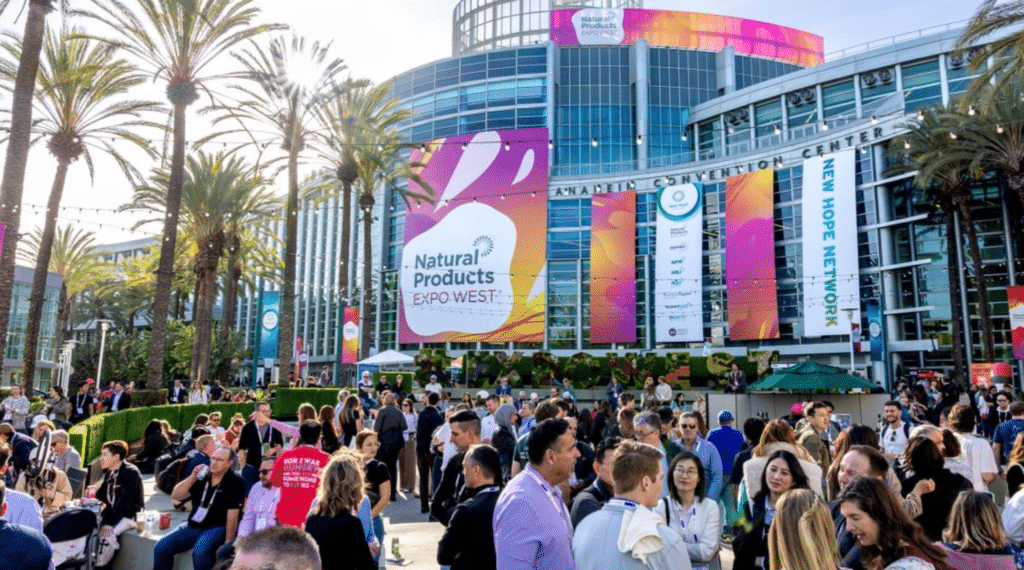
Image courtesy of New Hope Network
Trade shows like Expo West offer a massive opportunity for CPG brands to build relationships, gain exposure, and grow their businesses. But showing up isn’t enough a strategic approach is essential to ensure time and money are well spent. Whether exhibiting or attending, having a clear plan of action is the key to a successful show.
Many brands walk into trade shows without a strategy, hoping opportunities will simply appear. However, those who prepare in advance, set clear goals, and actively engage with the right people see the best results. This guide breaks down exactly what to do before, during, and after a trade show to maximize impact and ensure long-term success.
1. Pre-Show Preparation: Lay the Groundwork for Success
The most successful brands begin networking and promotion weeks before the event to create buzz and secure key meetings.
Start Promoting Your Presence
- Announce attendance on LinkedIn and social media to increase visibility.
- Share behind-the-scenes content of booth setup, new product launches, or team travel.
- Use the event hashtag (e.g., #ExpoWest) to engage with buyers, media, and potential partners.
Make a Targeted Outreach List
Trade shows attract thousands of attendees, but success comes from targeted interactions. Before the event, create a list of key contacts to connect with, such as:
- Buyers & Distributors – Retailers attending the show who align with the brand’s target market.
- Media & Influencers – Journalists and bloggers looking for new and innovative products.
- Potential Brand Partners – Complementary brands for future collaborations or cross-promotions.
Many brands fail to pitch their story in advance. Sending emails and LinkedIn messages early significantly increases the chance of securing meaningful meetings and media coverage.
2. Set Clear Goals for the Event
Without clear objectives, trade shows can feel overwhelming. Every brand should define its primary goal before attending.
Common Trade Show Goals
✅ Meet with buyers and distributors to secure retail placements.
✅ Identify new suppliers or manufacturing partners.
✅ Build brand awareness among industry professionals.
✅ Strengthen media and influencer relationships for press coverage.
✅ Network with other founders, investors, and potential advisors.
Once a primary goal is set, develop secondary goals to maximize time and effort.
3. Making the Most of Time at the Show
Whether exhibiting or walking the floor, intentionality is key.
For Brands with a Booth
- Engage visitors- actively invite people into the space rather than waiting for them to stop.
- Capture contact information- don’t just hand out samples, collect emails or scan badges.
- Create an experience- interactive elements and strong visuals increase engagement.
- Leverage press opportunities- trade shows often provide lists of attending media. Send invitations early so journalists know where to stop by.
For Attendees Without a Booth
- Announce on LinkedIn that you’ll be attending and ask to connect with others.
- Prioritize relationship-building- seek out meaningful conversations rather than just collecting business cards.
- Observe top brands- note successful booth strategies for future reference.
- Be strategic about meetings- some connections are worth waiting for, such as buyers or investors who can make a significant impact on the business.
Trade shows can be chaotic, and time disappears quickly. Having a plan for who to meet and why ensures the event is productive.
4. Post-Show Follow-Up: Turn Connections into Opportunities
Most trade show deals happen after the event, making follow-up critical.
Best Practices for Effective Follow-Up
✅ Send personalized emails to key contacts within a week of the show.
✅ Reference conversations and outline clear next steps.
✅ Post event highlights on LinkedIn to reinforce industry presence.
✅ Continue engaging with media and influencers to secure additional press coverage.
Surprisingly, many brands fail to follow up, creating a missed opportunity. Consistent and strategic outreach can turn a brief conversation into a long-term partnership.
5. Leveraging Trade Shows Even Without Attending
For those unable to attend a major trade show, there are still ways to capitalize on the industry buzz.
How to Participate Without Being There
- Engage on social media- use event hashtags and comment on industry discussions.
- Connect with attendees online- reach out to people posting about the event on LinkedIn.
- Host a giveaway or special promotion tied to the trade show.
- Monitor industry news- track trend reports and recaps to stay informed.
Even without a physical presence, staying active in the conversation helps maintain visibility and relevance.
Final Thoughts: Be Strategic and Intentional
Trade shows are a significant investment, but when approached with a clear strategy, they can be a powerful tool for growth.
The Most Important Takeaways
- ✅ Promote participation early through social media and direct outreach.
- ✅ Set clear goals-know exactly what success looks like.
- ✅ Be intentional about meetings and networking opportunities.
- ✅ Follow up within a week to convert leads into partnerships.
- ✅ Even if not attending, stay engaged online and leverage trade show buzz.
For brands looking to maximize their trade show presence and secure media opportunities, click the button below to be introduced to Heather Holmes and her team at Publicity for Good.
Education Articles