
- Distribution, Marketing
5 High-Intent Sampling Ideas for CPG Brands
By:
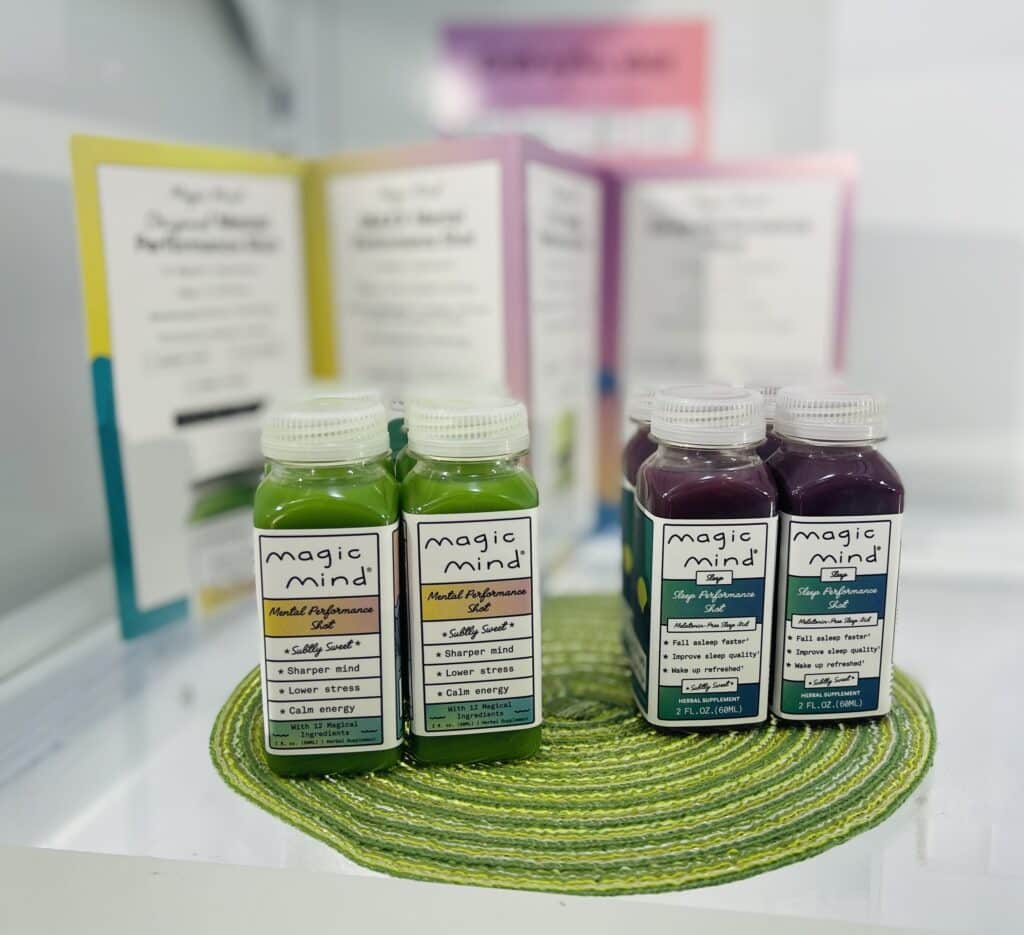
Photo provided by host Elise in her vacation rental property sampling Magic Mind
Sponsored by UpClose Marketing, now accepting a limited number of brand placements in lodging stays during Coachella® & Stagecoach® Music Festivals in California this spring – an exclusive opportunity to reach travelers where they stay, not at the events.
Limited Offer: Get $500 off any campaign.
In 2026 you have to sample beyond the grocery store. Back when I was running TeaSquares I had a conversation with Peter Rahal (founder of RxBar) and he shared this little piece of advice:
“Get your products in front of customers where they’ll naturally be using them”.
This led us to pivot away from grocery stores to corporate offices and the advice has always stayed with me. So where do your customers use products and how can you meet them there?
The Power of High-Intent Moments
It’s all about timing, mindset, and relevance. A high-intent sampling environment places your product in front of someone who is:
- Emotionally present and not rushing
- Open to discovery and new experiences
- In a relevant context where your product meets a need
Whether it’s quenching thirst after a hike, fueling a long drive, or enhancing a shared meal, these moments create a mental and physical openness that can’t be replicated in a store aisle.
In short, high-intent environments don’t just introduce your brand – they make your product feel like it belongs.
5 High-Intent Sampling Ideas for CPG Brands
1. Cultural Events: Music Festivals and Sporting Events
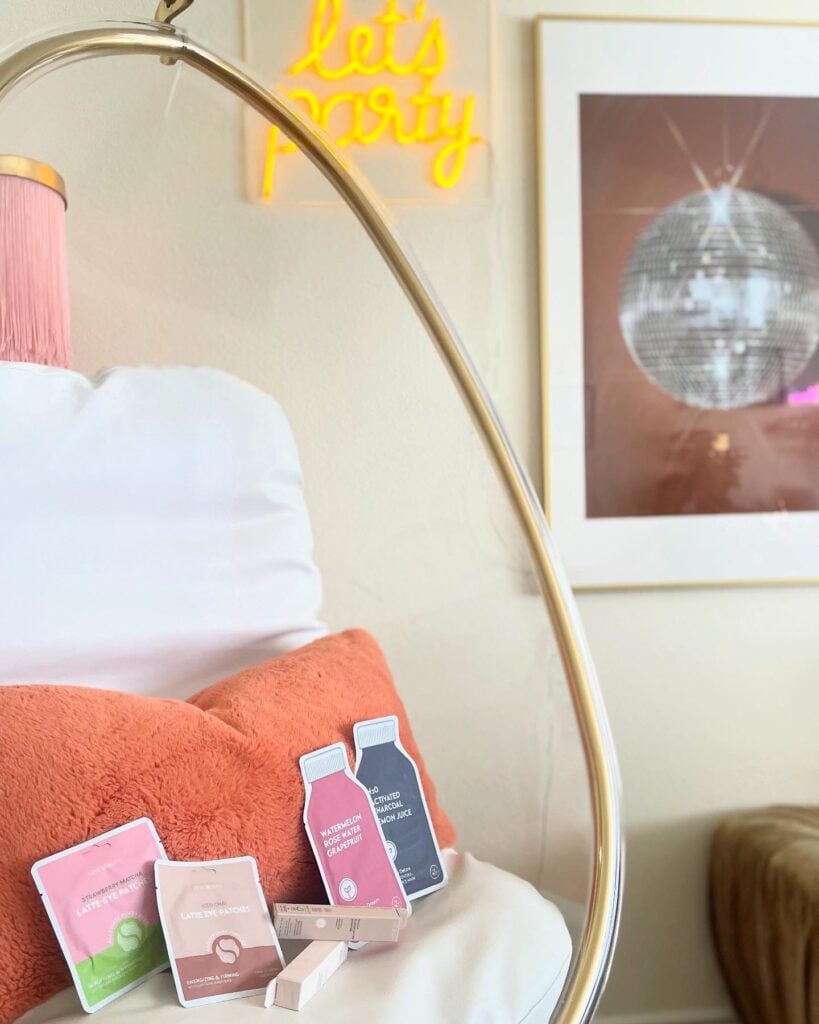
Cultural events are about community, self-expression, and shared experiences making them ripe for discovery. Consumers are often in a playful, open-minded headspace and eager to try something new. The key is to align with the vibe: if your brand stands for fun, inclusion, wellness, or creativity, there’s a natural fit. Lodging surrounding events like Coachella®, Stagecoach®, football games and the FIFA® World Cup are great opportunities to connect with people.
These event-based strategies also offer powerful word-of-mouth potential, with people sharing their favorite finds with friends on-site or on social media.
2. Campgrounds & National Parks
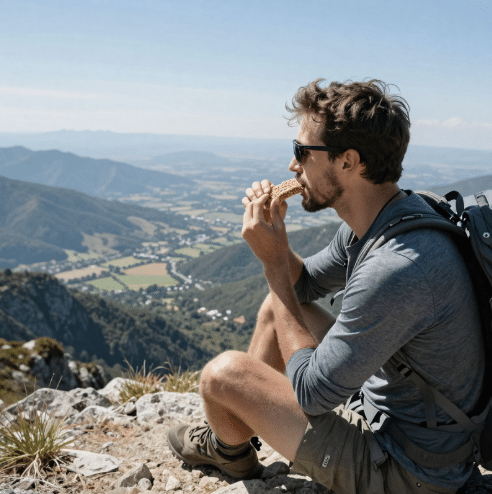
There’s something visceral about enjoying a snack or drink after a hike or while setting up camp. The outdoor consumer is engaged, hungry, and mentally offline which means fewer distractions and more sensory attention on your product. Imagine a camper starting their camping vacation, greeted at the front desk with a free welcome gift. That moment transforms a simple check-in into a memorable experience, and your brand becomes part of their adventure from the very first step.
Sampling in these environments can also open direct sales opportunities, as many campgrounds run small retail stores. If campers love what they try, they’ll ask for it and staff will often respond by stocking the item.
3. Vacation Rentals
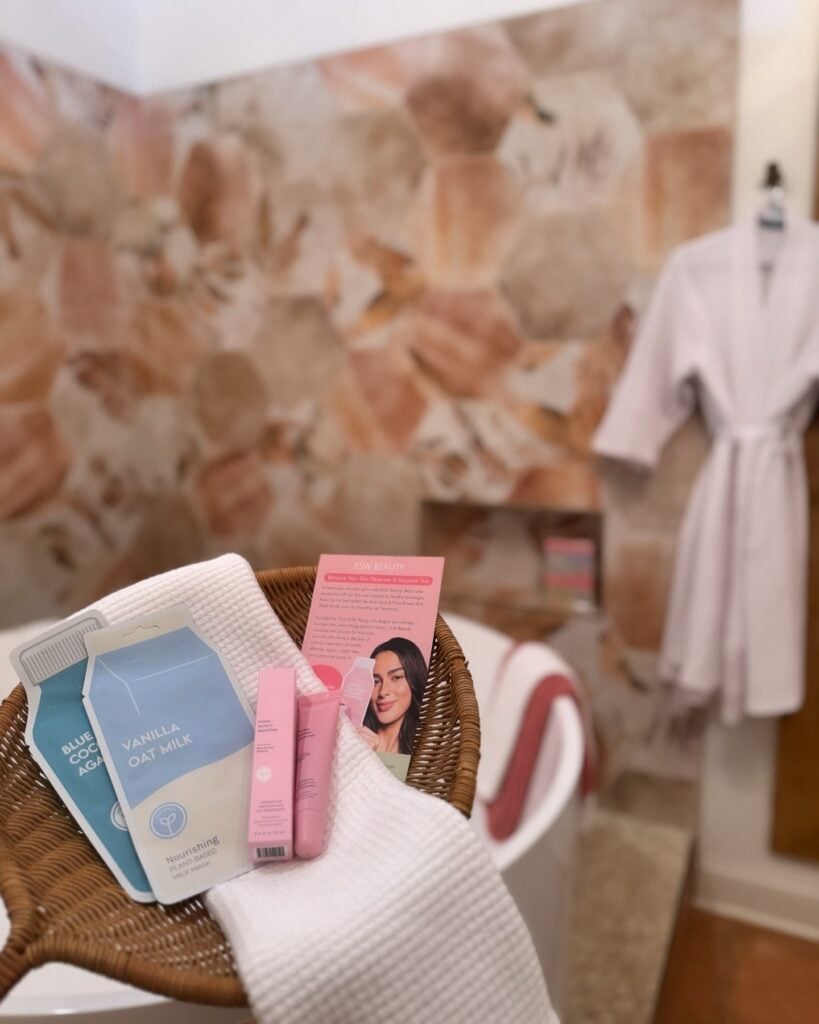
People staying at vacation rentals for a few days are on the go and often without many of their usual staples, making it the perfect time to introduce them to a new product. A well-placed sample on the counter or in the fridge can quickly become part of their daily routine, turning a single trial into repeated use over the course of a stay. This not only increases familiarity and preference for your product but also creates a positive association with relaxation and convenience.
Guests in vacation rentals are often more engaged, free from distractions or noise, and open to trying something new. The tastes, smells, and comforting experiences they enjoy during their stay can leave a lasting impression, encouraging them to bring a piece of that vacation home with them and seek out your product once they return.
This method is especially valuable for pantry staples, beverages, or breakfast items that get multiple trials across a trip.
4. Midterm Rentals
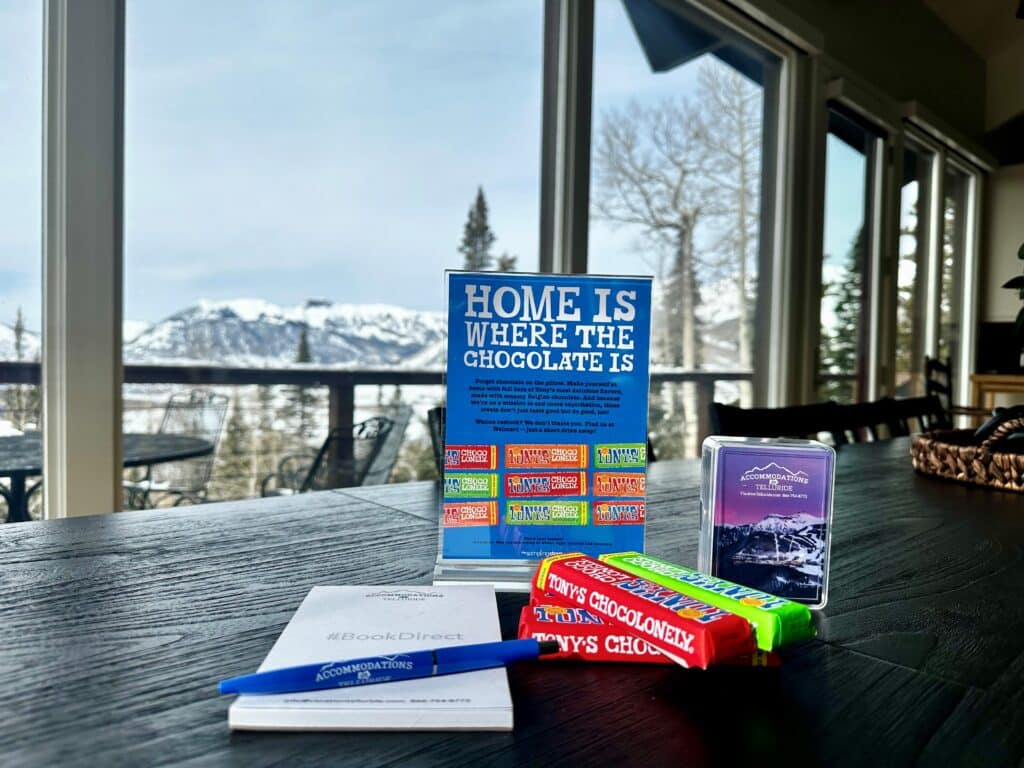
There are many people who travel to a new city and stay for weeks to months. Maybe they’re working a temporary job, moving cities, or working remotely as a digital nomad. These are perfect opportunities to help people build new routines in a new place. Placing your product on their counter, along with a coupon for a local grocery store, not only introduces them to your brand but also encourages them to purchase it at that specific retailer, turning a simple trial into a repeat purchase.
5. Tour Operators & Retreats
Travelers attending guided tours, adventure excursions, or wellness retreats are often looking for products that support their experience, performance, and overall well-being. Sampling your product in these settings introduces it in an environment where quality, usefulness, and thoughtful ingredients matter.
Whether it’s a convenient snack on a day-long excursion, a hydration boost during an outdoor adventure, or a wellness-focused treat during a retreat, these environments provide both high relevance and the influence of a close-knit, engaged community.
How To Activate These Sampling Opportunities
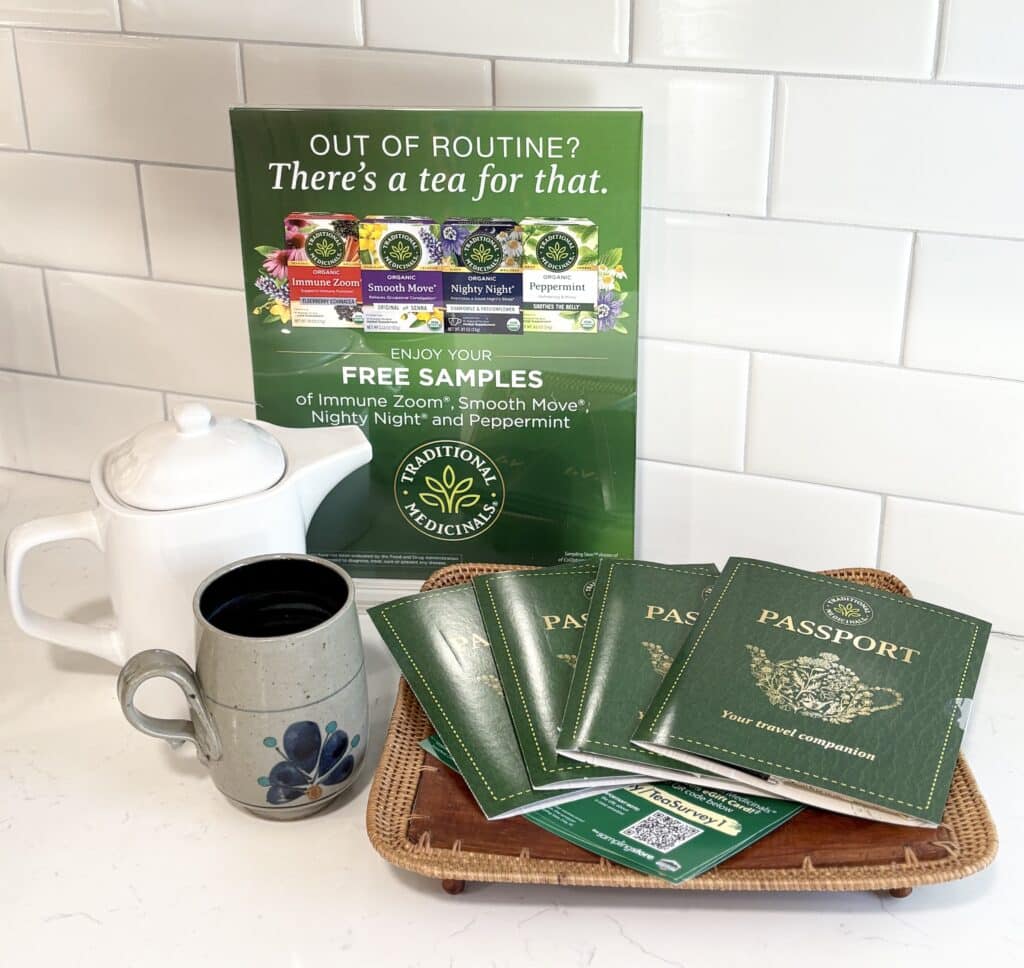
The biggest shift brands need to make is moving from “handing out samples” to designing moments of use so it becomes an “experience.” High-intent sampling works when your product shows up naturally in someone’s routine, not as a throwaway freebie. That means being intentional about placement, timing, and the next step. A sample on a kitchen counter, in a fridge, or given to a busy professional on the go gets used, often more than once, which builds familiarity and trust far faster than a quick in-store taste.
This is where UpClose Marketing comes in. They help brands place products directly into vacation rentals and similar environments where consumers are relaxed, present, and open to discovery. Instead of competing for attention, your product becomes part of the experience, with the opportunity to guide consumers toward a follow-up action like finding it locally or purchasing again after their trip.
Measuring ROI from Experiential Sampling
The beauty of these sampling methods is that they create emotional memory but they can also be tied to real metrics.
Ways to track impact:
- QR codes that lead to special offers or product pages
- Unique discount codes by location or event
- Follow-up SMS/email capture via quick surveys or giveaways
- Retail lift tracking in nearby stores post-event
While these methods might not scale the same way digital ads do, the depth of impact per person sampled is far greater and more likely to translate to loyal customers.
Request an Intro to UpClose Marketing and get $500 off your first sampling campaign.
Coachella® and Coachella Valley Music and Arts Festival® are registered trademarks of Coachella Music Festival, LLC. Stagecoach® is a registered trademark of Future Festivals, LLC. FIFA® is a registered trademark of Fédération Internationale de Football Association.UpClose Marketing and this program is not affiliated with these companies.
Education Articles